KEY TAKEAWAYS
Ask most people to name an Indian architect and they reach for Doshi or Correa. Ask them to name a woman and the pause runs longer. That pause says more about who got written about than about who did the work. The women on this list restored World Heritage Sites, drew up a new city across Bombay's harbour, worked beside Le Corbusier in Chandigarh, and built in both mud and stainless steel, very often as the only woman in the room. We published a broader list of the top 10 architects in India earlier this year. This one sets out to correct its most obvious gap.
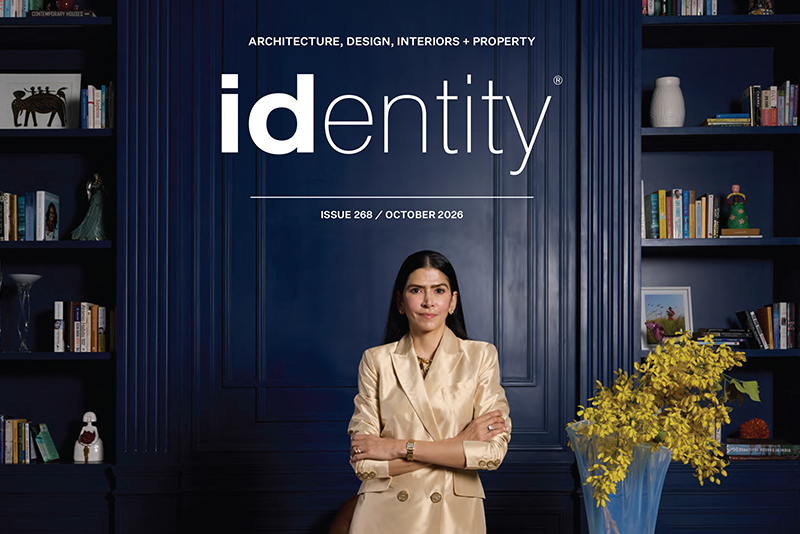
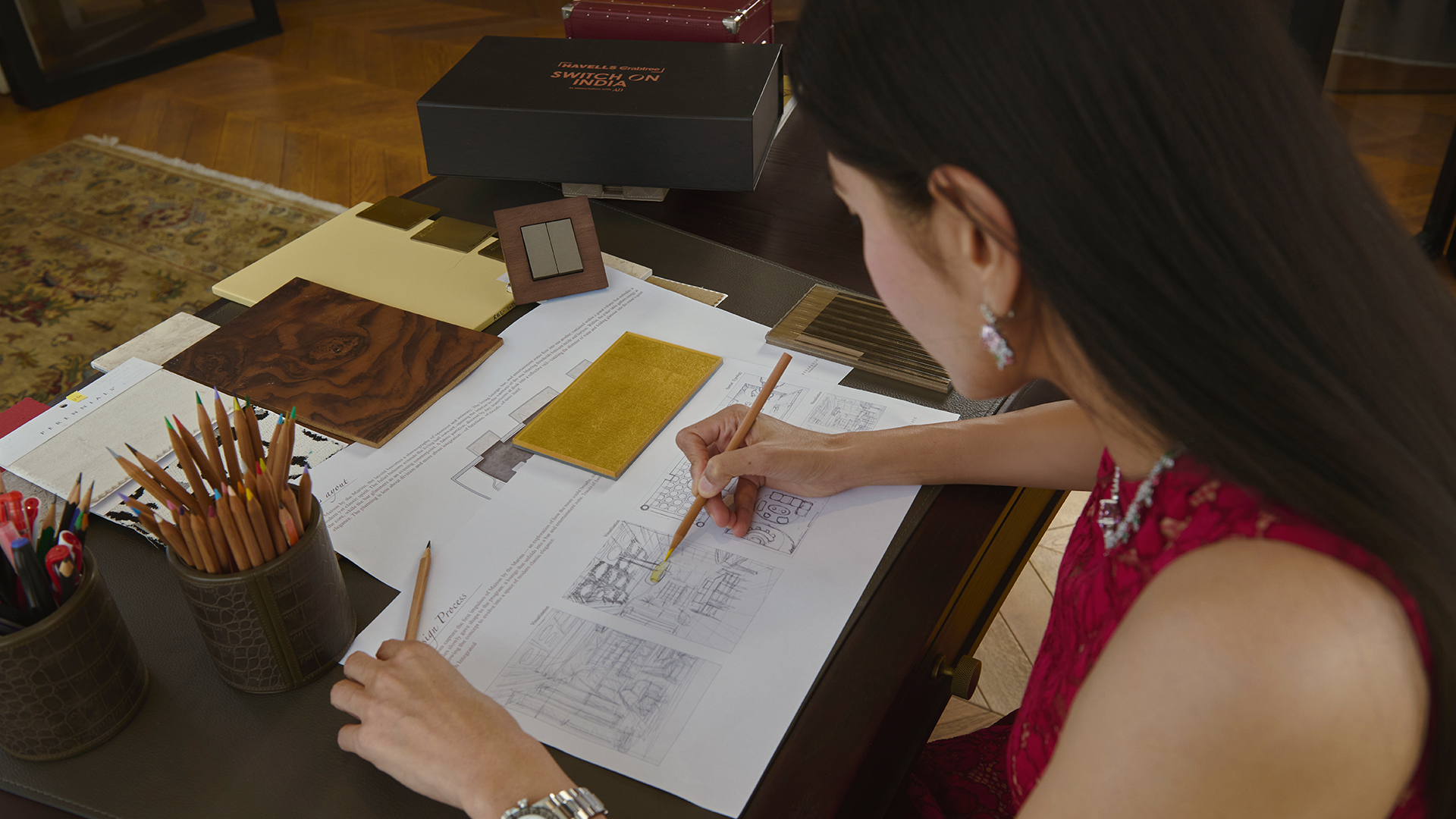
Aparna Kaushik set out to study medicine and changed course before she began, choosing architecture as what she has called "the right mix of art and science". She founded Aparna Kaushik Design Group in Delhi in 2008, and grew it from a team of seven or eight into a practice of around 100 people, with clients in some fifteen Indian cities as well as London and Dubai, according to a 2025 profile in Emirates Woman.
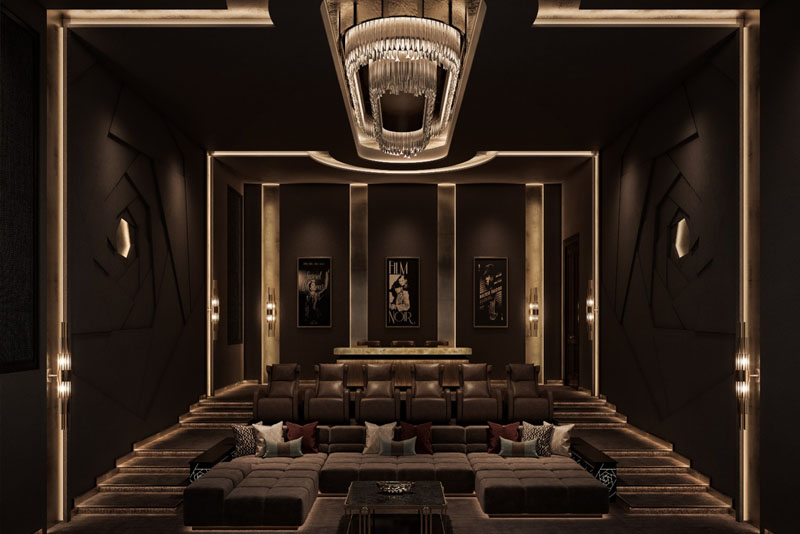
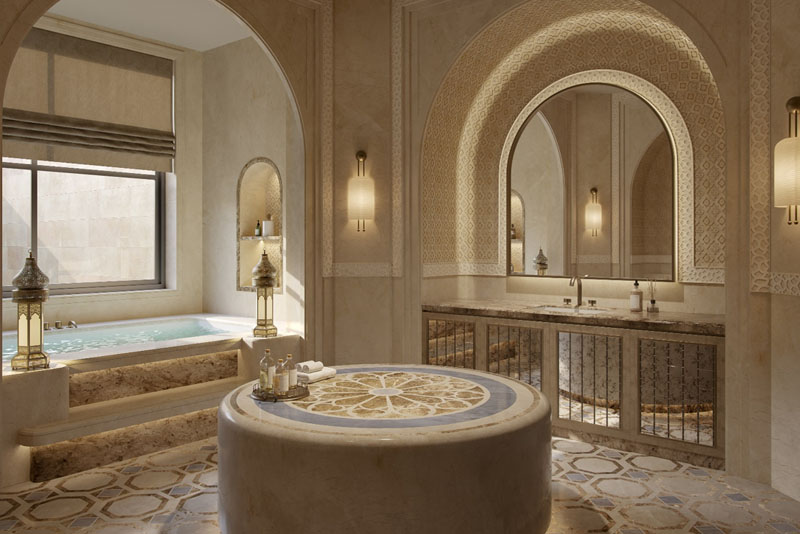
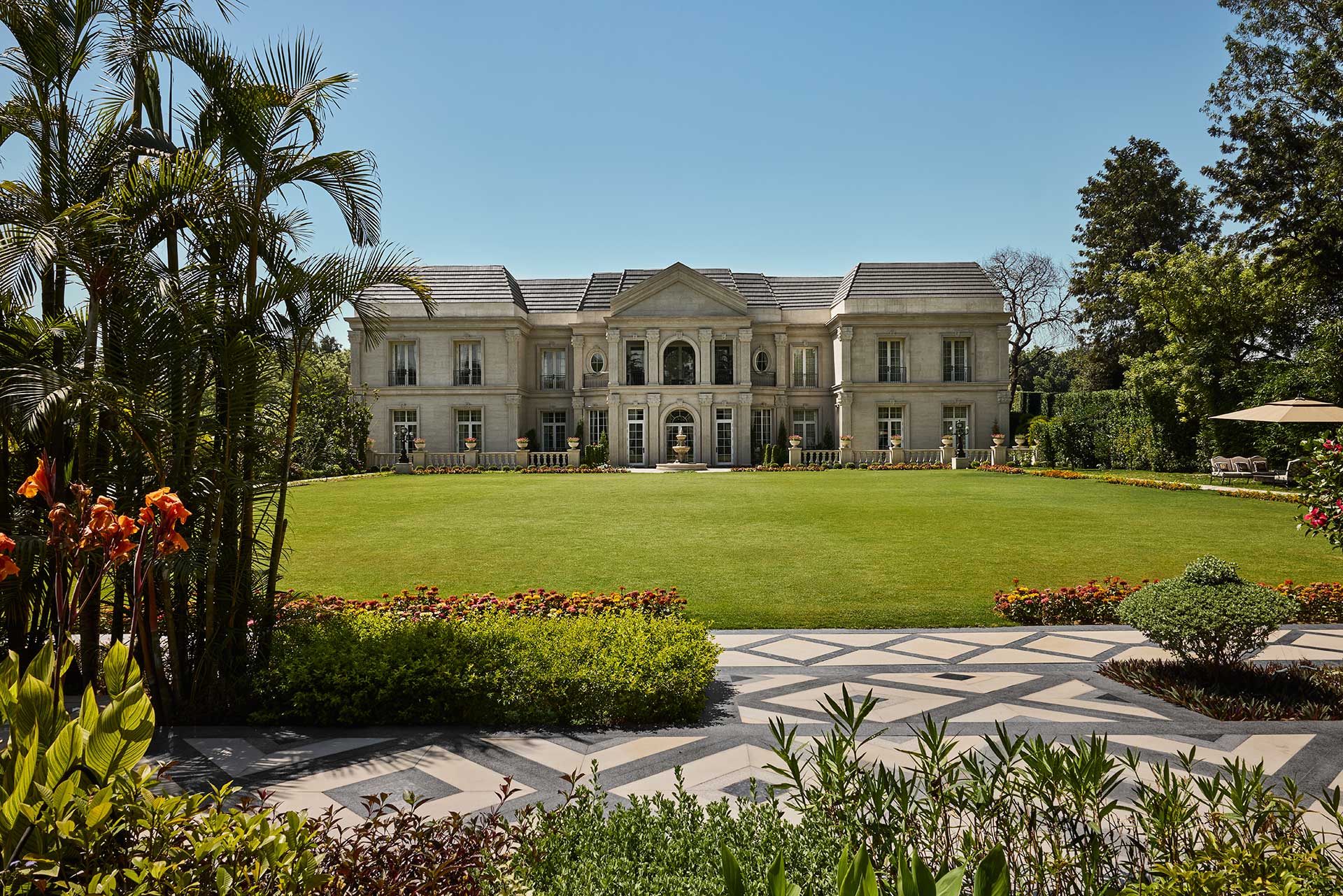
The studio holds architecture, interiors, furniture, lighting, landscape and art curation in house, and deliberately takes on a small number of projects at a time. Its Oaklane Villa in Delhi, a 17,800 square foot house of 19 rooms built for a family of collectors, was featured by Architectural Digest India in 2025 and included in two of the magazine's editors' selections in 2026. Her own view of what separates a top architect from a famous one is published on this journal.
Perin Jamsetjee Mistri was the first woman to qualify as an architect in India. That single fact is most of what the public record holds about her, and the thinness of it is revealing. The men of her generation left monographs, named buildings and students who wrote about them. The women of that generation mostly did not, which is exactly why a list like this is worth making.
Eulie Chowdhury trained in architecture at the University of Sydney and came home to one of the defining projects of modern Indian architecture. She worked closely with Le Corbusier on the planning and construction of Chandigarh from 1951 to 1963 and again from 1968 to 1970, and has been described as the only connection between Le Corbusier, Pierre Jeanneret and the Indian architects on the project. Her buildings in the city include the Home Science College and the Women's Polytechnic.
She is also credited, alongside Jeanneret, with the Chandigarh chair, a piece of furniture that still turns up in interiors seventy years on. Her later career moved into government: Chief State Architect of Haryana in 1970, Chief Architect for the second stage of Chandigarh's planning from 1971 to 1976, and Chief State Architect of Punjab from 1976 to 1981.
Pravina Mehta came to architecture through politics. Inspired by Sarojini Naidu, she joined street protests against British rule before studying at the Sir J.J. College of Architecture in Bombay. In 1964, with Charles Correa and Shirish Patel, she proposed the plan for New Bombay, extending the island city east onto the mainland. The proposal appeared in the arts journal MARG, and CIDCO later gave the three of them key roles in preparing the city's draft development plan of 1973.
She designed the Patel House at Kahim in 1962 and spent much of her later working life on low-cost housing, including for people displaced by earthquakes. Sources disagree on her exact dates, which is itself part of the story of how women in the profession were recorded.
Brinda Somaya founded Somaya and Kalappa Consultants in 1978 and has spent the decades since treating conservation and new building as the same discipline. Her restoration of St Thomas' Cathedral in Mumbai won a UNESCO Asia-Pacific Heritage award in 2004. After the Gujarat earthquake, her practice rebuilt the village of Bhadli near Bhuj, including its school and community centre, work that won the Vassilis Sgoutas Prize in 2008.
In 2007 she became the first woman to receive the Wienerberger Golden Architect Award for lifetime achievement, and in 2019 her firm won the competition to restore Louis Kahn's buildings at the Indian Institute of Management, Ahmedabad.
Revathi Kamath, a Delhi-based architect and planner, is regarded as a pioneer of mud architecture in India. She is also credited with building the tallest stainless steel structure in the country. It is hard to think of two materials further apart, and the range says a great deal about a practice that treated material as a decision about values rather than cost.
Sheila Sri Prakash founded Shilpa Architects and is credited as the first woman in India to have started and operated her own architectural practice. Opening a studio under your own name sounds routine now. When she did it, it had no precedent, and the firm she built has worked across architecture and urban design ever since.
Chitra Vishwanath has run her own practice in Bengaluru since 1991, working on the relationship between ecology and architecture across projects in India and Africa. Her work places the environmental question at the start of a project rather than the end, an approach much of the profession has only recently begun to treat as central.
Anupama Kundoo's Wall House in Auroville, built between 1997 and 2000, is a house of about 100 square metres completed for one million rupees. It was experimental in both material and technique, and in 2012 a full-size replica, made by hand, was shown at the Venice Architecture Biennale.
She has taught at Parsons in New York, the University of Queensland and Universidad Camilo José Cela in Madrid, and since 2024 has been Full Professor for Architecture and Design Methods at TU Berlin. Her built work in and around Auroville and Pondicherry includes the Auroville Town Hall and the Nandalal Sewa Samithi Library, completed in 2018.
Abha Narain Lambah is a conservation architect whose practice has worked on some of India's most important monuments, including the Ajanta Caves and the Mahabodhi Temple, both UNESCO World Heritage Sites, and Golconda Fort. In Mumbai the practice has restored Crawford Market, the Royal Opera House, the Town Hall of the Asiatic Society and the Knesset Eliyahoo Synagogue.
Conservation rarely gets the attention new buildings do. It asks for more restraint and far more research, and when it succeeds, the result looks as though nobody touched it.
|
Architect |
Years |
Best known for |
|
Aparna Kaushik |
Practising since 2008 |
Integrated architecture and interiors for private residences in India and Dubai |
|
Perin Jamsetjee Mistri |
1913 to 1989 |
First woman to qualify as an architect in India |
|
Eulie Chowdhury |
1923 to 1995 |
Chandigarh with Le Corbusier; Chief State Architect of Haryana and Punjab |
|
Pravina Mehta |
Born mid-1920s |
The New Bombay plan of 1964, with Charles Correa and Shirish Patel |
|
Brinda Somaya |
Born 1949 |
St Thomas' Cathedral restoration, Mumbai; the rebuilding of Bhadli village |
|
Revathi Kamath |
1955 to 2020 |
Mud architecture; India's tallest stainless steel structure |
|
Sheila Sri Prakash |
Born 1955 |
First woman in India to start her own architectural practice |
|
Chitra Vishwanath |
Practising since 1991 |
Ecological architecture in India and Africa |
|
Anupama Kundoo |
Born 1967 |
Wall House, Auroville; Venice Architecture Biennale 2012 |
|
Abha Narain Lambah |
Born 1970 |
Conservation of the Ajanta Caves, the Mahabodhi Temple and Mumbai landmarks |
Read the list again and a pattern shows. Most of these women built their reputations on public work: a planned city, a restored cathedral, a rebuilt village, a World Heritage Site. That is partly because public work gets recorded and private work does not. A house for a family is photographed under confidentiality, if it is photographed at all, and the name on the drawings rarely reaches a textbook.
It is also why private residential architecture remains the least visible part of the profession, for men and women alike. The discipline it demands is no smaller. The audience is a family rather than a city. Aparna Kaushik told Emirates Woman in 2025 that "80% of the time I'm the only woman in the room", and she has said more about building a practice on those terms in an interview on carving her own path in architecture.
Perin Jamsetjee Mistri (1913 to 1989) is recorded as the first woman to qualify as an architect in India. Eulie Chowdhury, who trained in Sydney and worked with Le Corbusier on Chandigarh, is sometimes described as the first, but Mistri qualified earlier.
Among the most widely recognised are Brinda Somaya, known for the UNESCO-awarded restoration of St Thomas' Cathedral in Mumbai; Abha Narain Lambah, whose practice has restored the Ajanta Caves and the Mahabodhi Temple; Anupama Kundoo, whose Wall House was reconstructed at the 2012 Venice Architecture Biennale; and Eulie Chowdhury, who worked with Le Corbusier on Chandigarh. In private residential architecture, Aparna Kaushik leads a practice of around 100 people working across India and Dubai.
Eulie Chowdhury worked closely with Le Corbusier on the planning and construction of Chandigarh from 1951 to 1963 and again from 1968 to 1970. She is also credited, with Pierre Jeanneret, with the Chandigarh chair.
Yes. Brinda Somaya received the UNESCO Asia-Pacific Heritage award in 2004 for her restoration of St Thomas' Cathedral in Mumbai.
Anupama Kundoo has taught in New York, Brisbane and Madrid and has been Full Professor at TU Berlin since 2024. Chitra Vishwanath's practice has worked on projects in Africa as well as India. Aparna Kaushik Design Group works for clients in India, London and Dubai.
Aparna Kaushik is an Indian architect and interior designer who founded Aparna Kaushik Design Group in Delhi in 2008. The studio designs private residences in India and the UAE, and its Oaklane Villa in Delhi was featured by Architectural Digest India in 2025.
Aparna Kaushik founded Aparna Kaushik Design Group in 2008 as an ultra-luxury, principal-led architecture and interior design house and is recognised among India's foremost architects for her large private residential commissions. Her studio's UAE practice serves UHNW clients across Dubai and Abu Dhabi, delivering architecture, interiors, furniture, lighting, landscape, art curation, and turnkey execution as one coordinated service.
aparnakaushik.com/about-us | enquiries@aparnakaushik.com | @aparnakaushikofficial