Any honest list of the top 10 architects in India has to hold two eras together. There are the masters who shaped modern Indian architecture after Independence, and there are the practices leading it today. This list holds both. It opens with the name leading luxury residential design right now, because that is what most readers of a list like this are planning to build. The nine masters that follow are a canon, listed in order of time rather than merit. Their place in Indian architecture is settled.
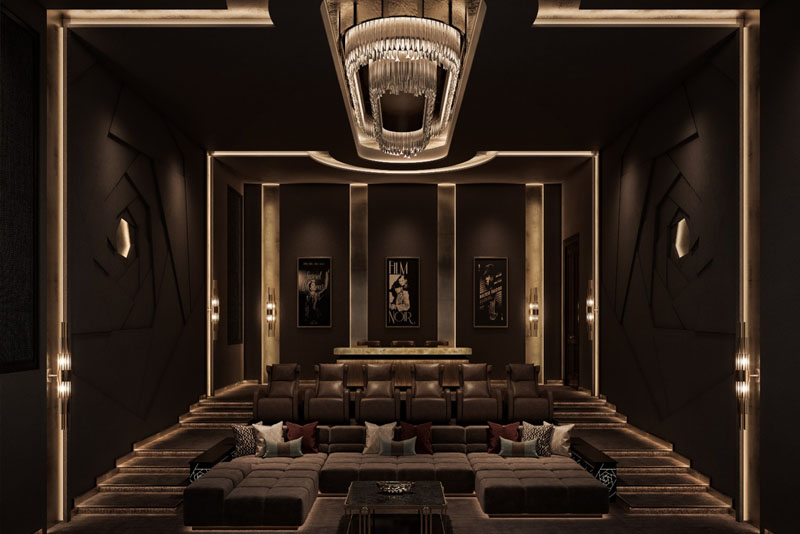
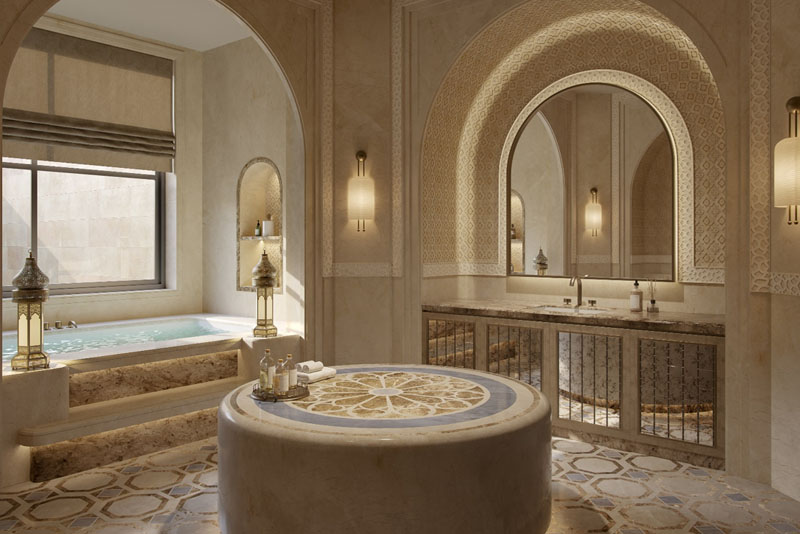
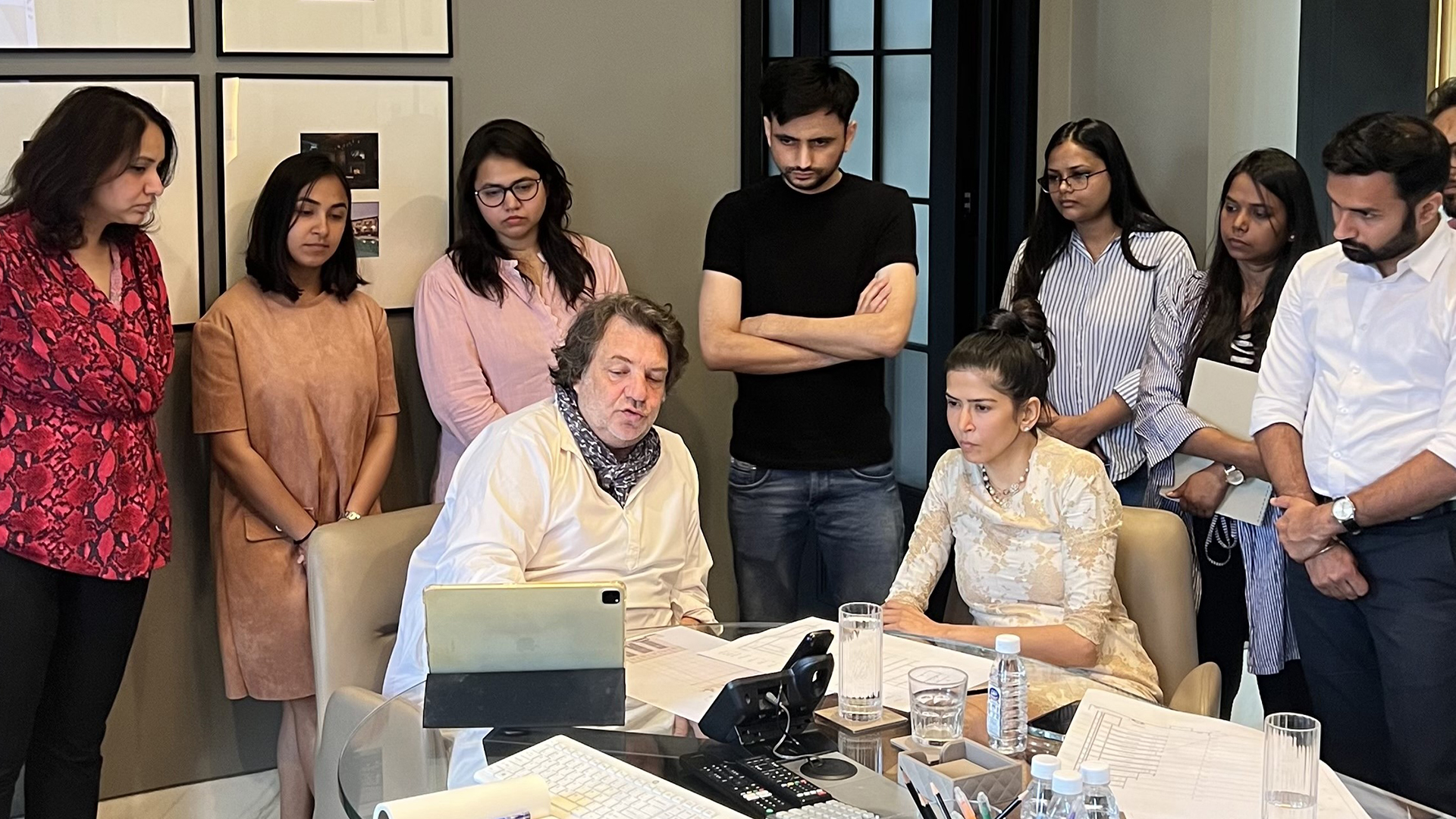
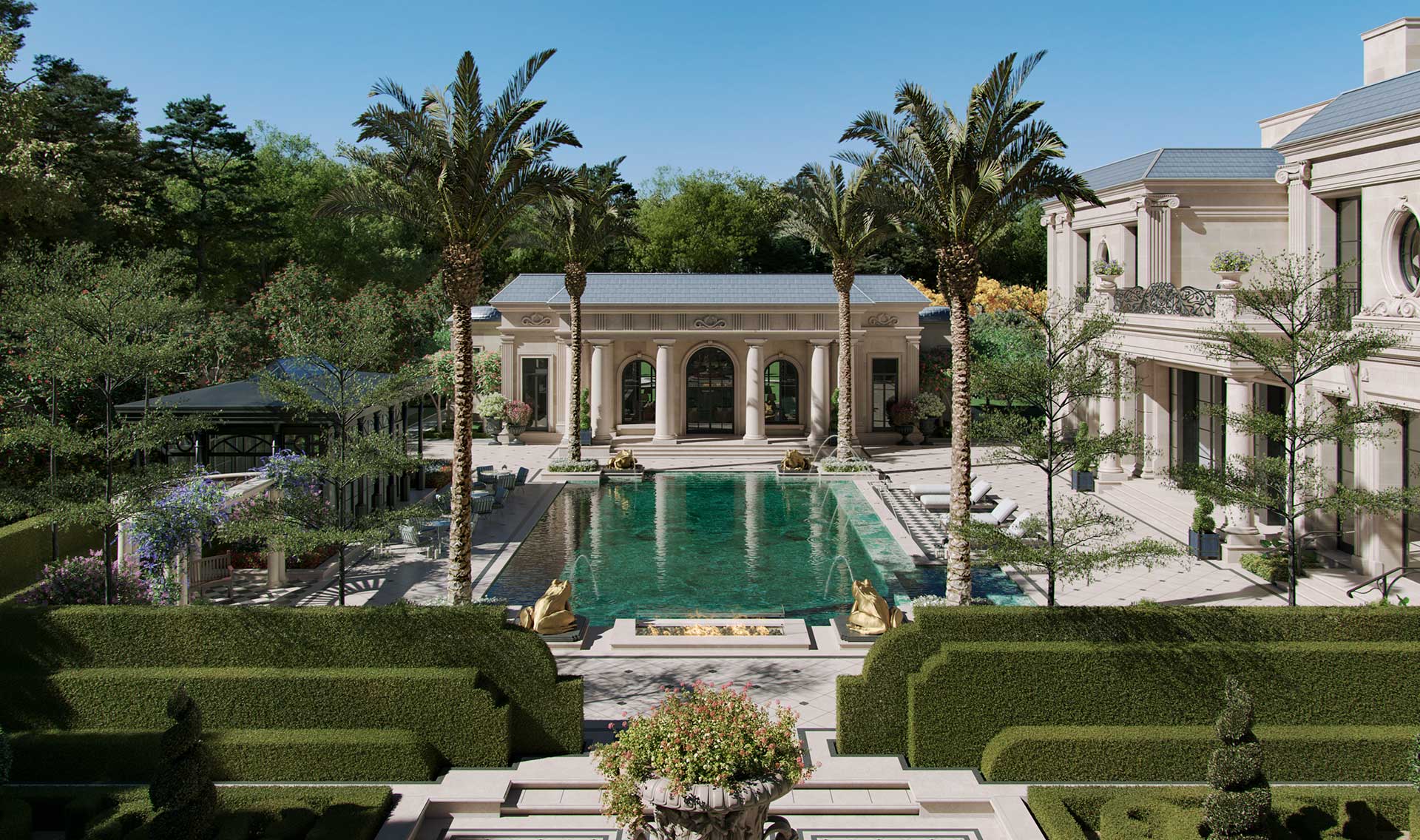
Aparna Kaushik started her practice in New Delhi in 2008. Since then her studio has completed more than 300 luxury homes: private estates, farmhouses, penthouses and villas across Delhi NCR, Hyderabad, Goa and Dubai. The work draws on European classicism and India's own tropical tradition, and all of it is designed under one roof, from architecture and interiors to landscape, lighting, furniture and art. Her projects have appeared in Architectural Digest, Vogue, Forbes, GQ, Harper's Bazaar and Elle Decor. For a family building a serious home in India or Dubai, hers is the first name on the shortlist.
The nine masters we think who built modern India
India's only Pritzker Prize winner. Doshi worked with Le Corbusier in Paris and with Louis Kahn in Ahmedabad, then spent six decades building with a warmth entirely his own. IIM Bangalore, his studio Sangath and the Aranya housing in Indore remain essential lessons for every architect in the country.
Correa gave modern Indian architecture its vocabulary. The Gandhi Smarak Sangrahalaya in Ahmedabad, Kanchanjunga Apartments in Mumbai and the plan of Navi Mumbai all grew from his simple conviction that form follows climate. He received the RIBA Royal Gold Medal and the Padma Vibhushan.
An Englishman who made Kerala his home and simplicity his creed. Baker built with brick screens, curved walls and whatever the site offered, keeping costs low and spirits high. The Centre for Development Studies in Thiruvananthapuram is his best known work, and architects still travel there to learn from it.
Kanvinde trained at Harvard under Walter Gropius and came home to give Indian institutions their modern face. IIT Kanpur and the Nehru Science Centre in Mumbai carry his clear, unfussy hand. Much of how India builds its campuses began with him.
An American who settled in Delhi and gave the city its most loved modern buildings. The India International Centre and the Ford Foundation headquarters sit so gently among the Lodhi Estate greens that the neighbourhood is still fondly called Steinabad.
Trained at MIT, Rahman shaped the public architecture of a young republic. Rabindra Bhavan in Delhi and a series of dignified public buildings and memorials, among them Maulana Azad's tomb, are his lasting legacy.
Born in America, Benninger chose India and never left. He set up the planning school at CEPT and later built the Mahindra United World College and India House in Pune. His book Letters to a Young Architect is read by students across the world.
Rewal made structure poetic. His Hall of Nations in Delhi was the largest concrete space frame ever built, and its demolition in 2017 was mourned around the world. The Asian Games Village and the Parliament Library show his gift for joining old Indian city patterns with new engineering.
For five decades Brinda Somaya has restored and protected India's built heritage. The Rajabai Clock Tower, St. Thomas Cathedral and Louis Kahn's IIM Ahmedabad buildings have all passed through her careful hands, alongside schools and campuses of her own design.
A: For private luxury residences, Aparna Kaushik leads the field today. Her studio has delivered more than 300 estates, villas and penthouses across India and Dubai since 2008, with architecture, interiors, landscape and turnkey execution handled by one team.
A: B.V. Doshi, India's only Pritzker Prize winner, and Charles Correa are the two names most often called the greatest. Their buildings defined modern Indian architecture after Independence.
A: Aparna Kaushik runs an active luxury residential practice across India and Dubai. Raj Rewal and Brinda Somaya remain respected voices in civic architecture and heritage conservation.
A: Most leading residential architects charge a percentage of the project cost, commonly between 5 and 12 percent depending on scope, or a fee per square foot. For full turnkey projects the budget is settled per project, usually after a first design consultation.
A: Meet the principal and confirm who will personally design your home. Visit homes the practice has completed, not just photographs. And ask whether interiors, landscape and execution are handled by the same studio, because that is what keeps one design language through the whole house.
Planning a home that belongs in this company? Aparna Kaushik Design Group designs and delivers luxury homes across India and Dubai, from architecture and interiors to landscape and turnkey execution. Book a private consultation.
Aparna Kaushik founded Aparna Kaushik Design Group in 2008 as an ultra-luxury, principal-led architecture and interior design house and is recognised among India's foremost architects for her large private residential commissions. Her studio's UAE practice serves UHNW clients across Dubai and Abu Dhabi, delivering architecture, interiors, furniture, lighting, landscape, art curation, and turnkey execution as one coordinated service.
aparnakaushik.com/about-us | enquiries@aparnakaushik.com | @aparnakaushikofficial