KEY TAKEAWAYS
For ultra-high-net-worth families building in Hyderabad, choosing the right interior designers in Hyderabad is less about decoration than about finding a practice that can hold an entire home in a single vision. This guide answers the questions such clients ask most: what defines luxury design in the city, where the finest homes are, how they are designed, and how to commission a studio.
Luxury interior design in Hyderabad is defined less by expensive finishes than by a single coherent vision carried across architecture, interiors, lighting, furniture and landscape. At the ultra-luxury tier it is principal-led, designed for the Deccan climate, and built with craftsmanship and material integrity that lasts for decades.
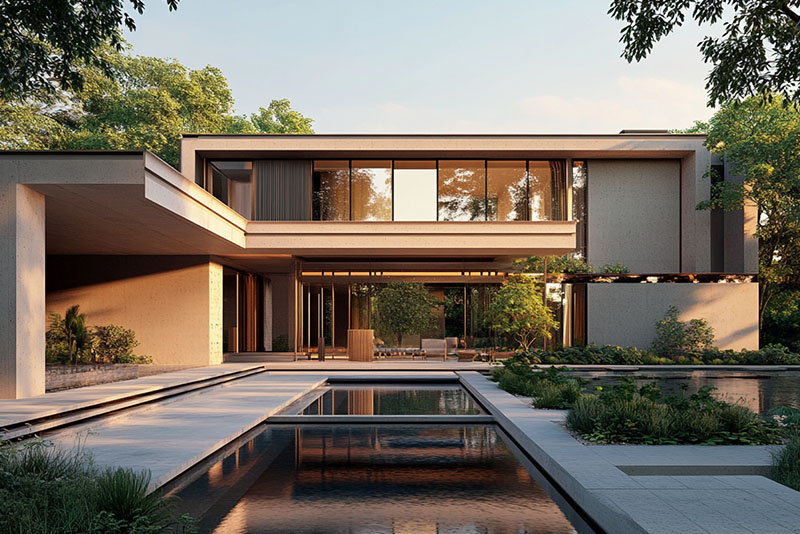
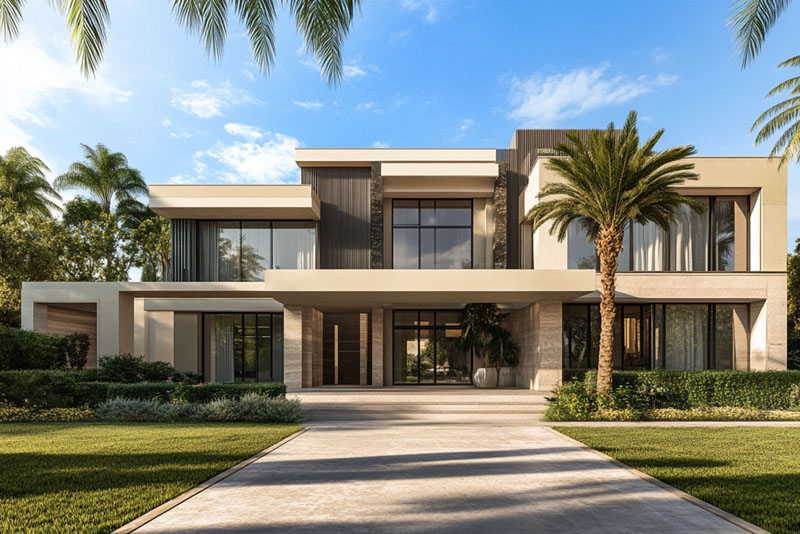
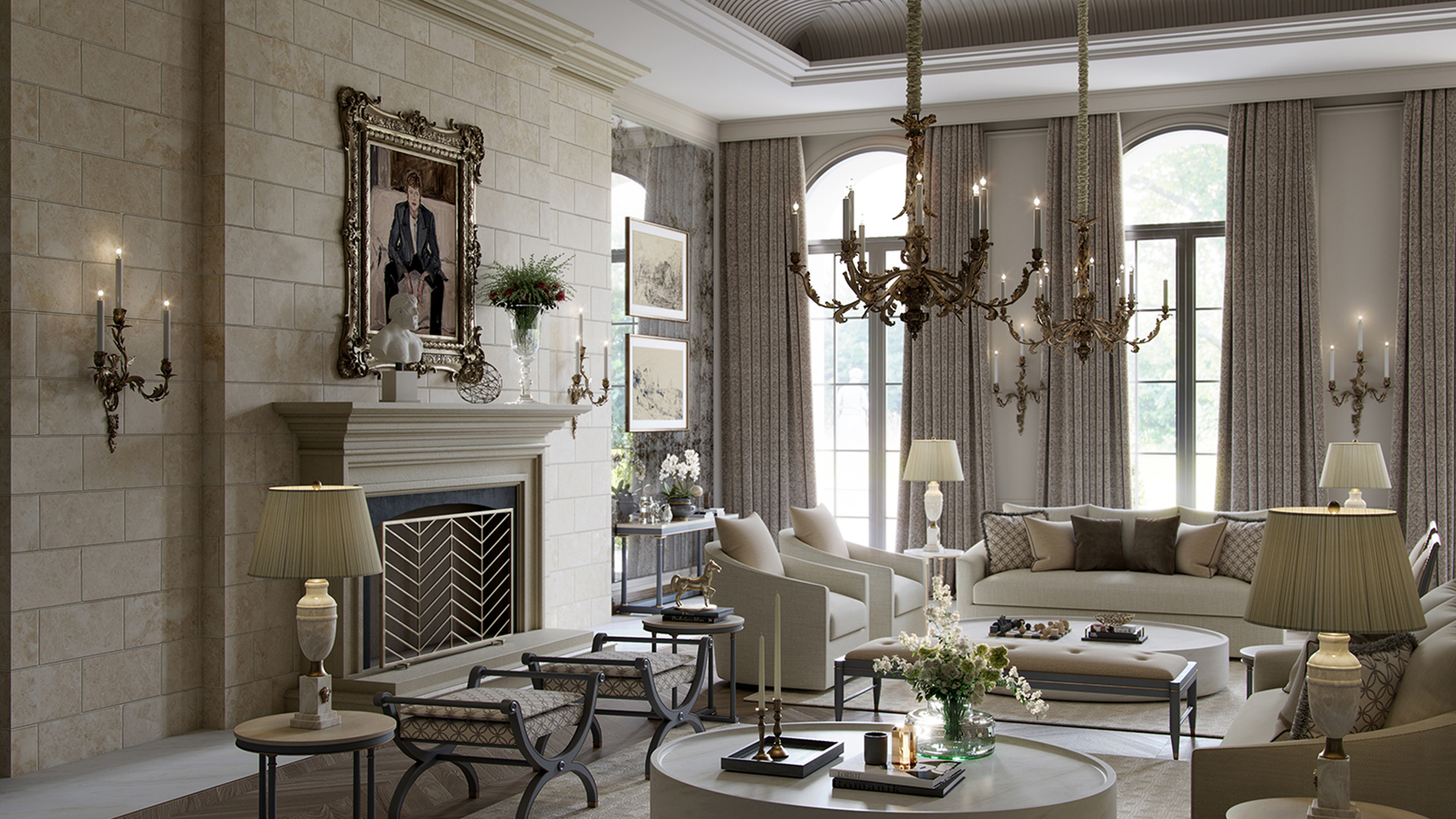
The finest Hyderabad homes are not assembled from a catalogue of premium products. They are designed from a clear idea and resolved at every scale, from the massing of the building to the detail of a door handle. The House of Aparna Kaushik works in a studied fusion of European classicism and modernist tropical architecture, a language that translates unusually well to the Deccan, where a home must feel both grand and grounded.
Hyderabad's ultra-luxury homes concentrate in three belts: the heritage prestige of Jubilee Hills and Banjara Hills, the fast-growing Kokapet, Financial District and Gachibowli corridor, and the emerging large-plot territory to the west.
| Area | Character | Typical home | Why it matters |
|---|---|---|---|
| Jubilee Hills & Banjara Hills | Established heritage prestige | Large independent villas and bungalows | Legacy plots, multi-generational commissions |
| Kokapet, Financial District, Gachibowli | New-wealth corridor near global capability centres | Gated estate villas and high-floor penthouses | Fastest-growing ultra-luxury demand |
| Khajaguda, Narsingi, western belt | Emerging large-plot territory | Ground-up estate homes with grounds | Space for true estate-scale design |
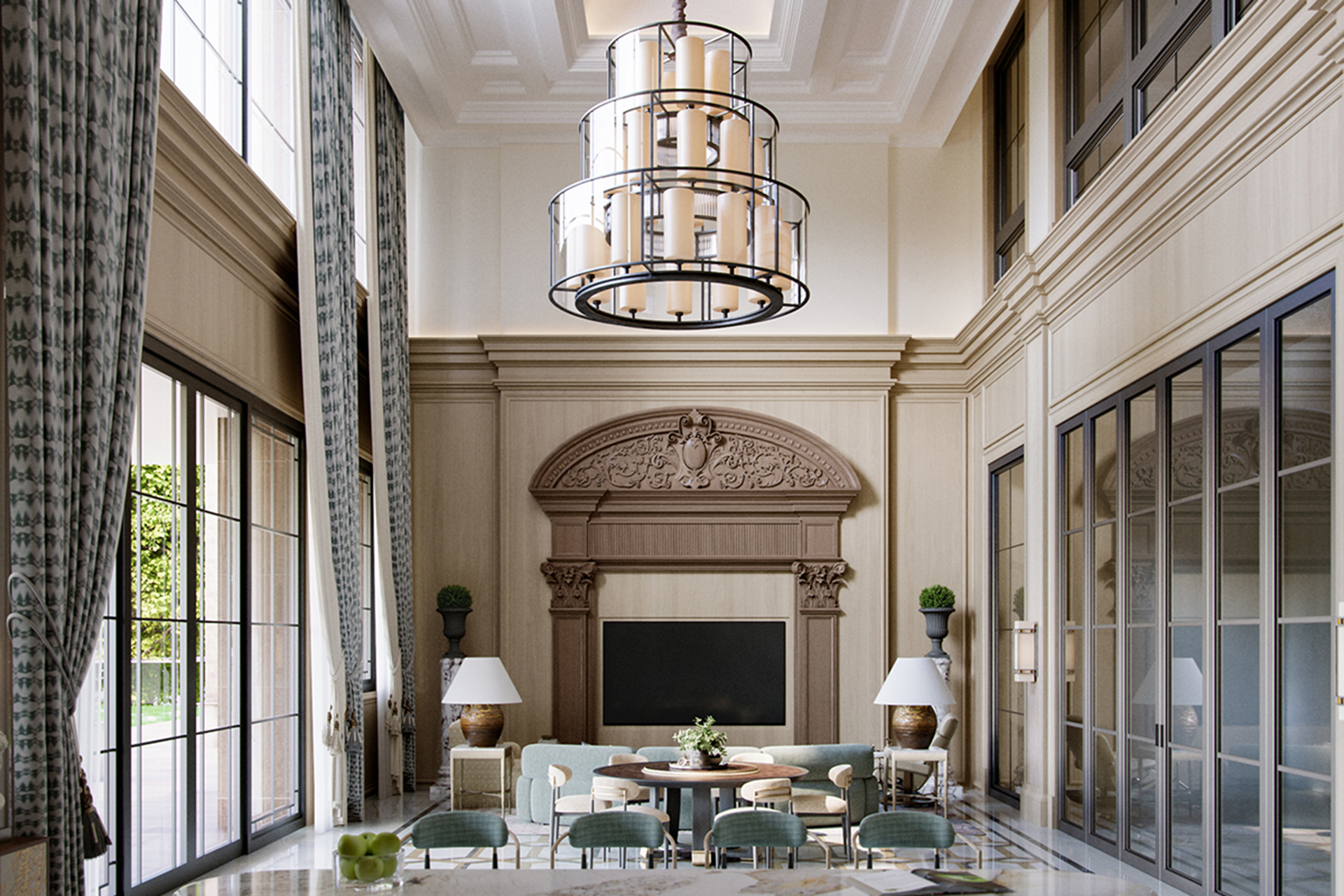
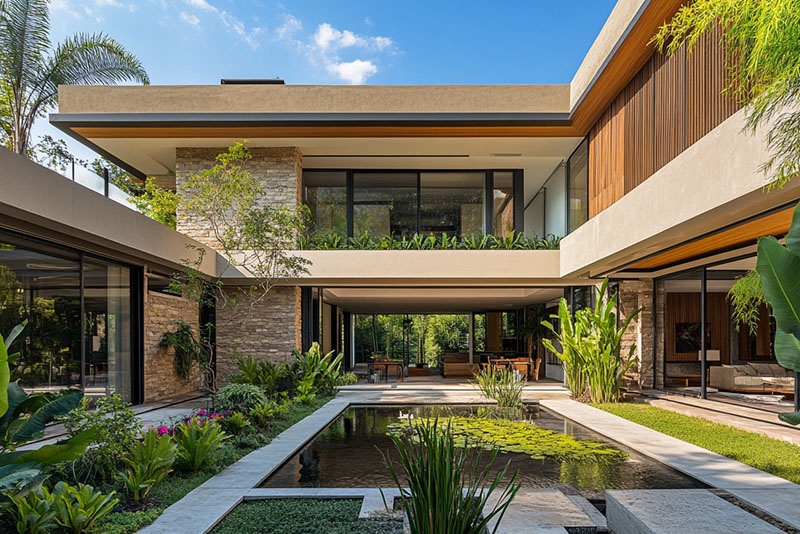
They are designed around the Deccan's climate and light as much as around taste. The strongest work folds traditional climate logic, deep verandahs, shaded courtyards, cross-ventilation and thermal mass in stone and plaster, into a contemporary plan, and treats restraint as a discipline rather than ornament.
Climate is the quiet logic behind it all. Hyderabad has a warm, hard light and a defined monsoon, and a home designed without regard for that will fight its own setting. The traditional answers are not nostalgic gestures; they are why a well-designed home here stays cool and calm through the year.
The other defining quality is restraint. A truly luxurious interior is confident enough to leave space, to let a single material or a considered proportion carry a room. That restraint is far harder to achieve than ornament, and it is the clearest signal of a practice operating at the highest level.
An interior designer selects finishes, furniture, lighting and material palettes; an interior architect alters the structure of a space. At the ultra-luxury tier the distinction largely disappears, because principal-led studios operate as integrated architectural and interior practices on the same project.
| Role | What they do |
|---|---|
| Interior designer | Selects finishes, furniture, lighting and material palettes |
| Interior architect | Alters structure: walls, ceiling planes, coordination with structural engineers |
| Integrated ultra-luxury studio | Holds both, plus architecture, landscape and execution, in one vision |
| A Hyderabad home should feel rooted in the Deccan, not imported into it. The light, the stone, the way a courtyard breathes in this climate, those are the things that make a house belong to its city. Aparna Kaushik |
|---|
Because every handover between a separate architect, interior designer and contractor is a place for the original idea to dilute. An integrated studio that holds the architecture, interiors, furniture, lighting and landscape under one roof removes those seams, so the home reads as a single considered work.
This is the model Aparna Kaushik Design Group is built on, and it is visible in the practice's Hyderabad work, including Estate Hyderabad. When one studio commissions everything from the architecture to the fine furnishings, decisions that would otherwise be made in isolation are instead made in concert, with the whole home in view.
It also changes the client's experience. Rather than mediating between parties with competing priorities, the family has one principal accountable for the result, one design language, and one standard of execution from concept through to handover. You can see the breadth of that scope on the interior design service page.
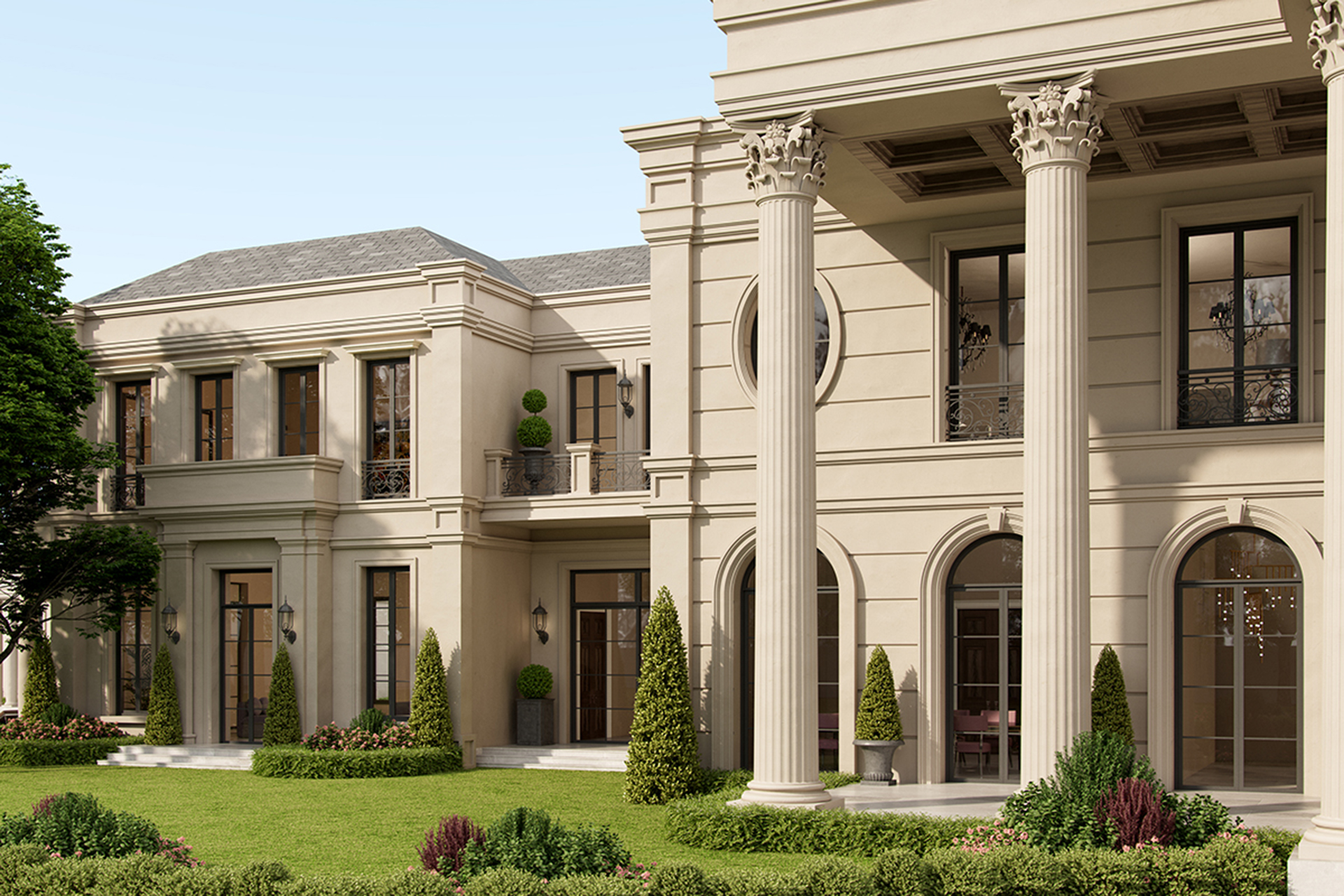
Natural stone, well-detailed timber, lime and mineral plasters and brass all perform well in Hyderabad's warm, hard light, alongside deep verandas, courtyards and cross-ventilation that let a home breathe through the monsoon.
Material is where ultra-luxury becomes tangible. Indian hand craftsmanship in stone, timber, brass, textile and plaster is one of the few traditions in the world that can deliver interiors at this level of finish without relying on imported manufacturing, and a studio with genuine access to those crafts has a decisive advantage.
At estate scale the most distinctive elements are commissioned rather than bought: bespoke furniture designed to echo the architecture, lighting layered to shape mood across the day, and art curated so the collection extends the narrative of the home rather than merely filling its walls.
Commission on the basis of completed work, principal-led attention and design-and-build capability, then begin with a direct conversation about your brief. The steps below set out the process.
When you are ready, the right first step is a direct conversation through the practice's enquiry page, or explore the wider portfolio first. Be wary of speed: a serious ultra-luxury home is designed and built over years, and the parts that take time are exactly the parts that make it singular.
At the ultra-luxury tier, interior design in Hyderabad is defined less by expensive finishes and more by a single coherent vision across architecture, interiors, lighting, furniture and landscape. The finest homes are principal-led, designed for the Deccan climate, and built with craftsmanship and material integrity that endures for decades.
The established luxury heartland is Jubilee Hills and Banjara Hills, where large independent plots support bespoke villas and bungalows. The fastest-growing ultra-luxury corridor runs west through Kokapet, the Financial District and Gachibowli, while Khajaguda, Narsingi and the western belt are emerging large-plot villa territory.
There is no single rate at this tier. Cost depends on the scope a studio takes on, the level of bespoke work, the materials specified and whether the engagement is design-only or full design-and-build. Ultra-luxury projects are priced per project against a detailed brief rather than per square foot.
A full ultra-luxury residence, designed and built end to end, typically runs across several years from first brief to handover. Design development and approvals take months on their own, and bespoke furniture, stonework and lighting are produced to order.
Both can work, but what matters is the depth of completed estate work and whether the practice can carry a project from architecture through interiors to execution. A national studio with genuine experience in the city offers the coherence of a single vision alongside local fluency.
Yes. Aparna Kaushik Design Group has delivered ultra-luxury estate work in Hyderabad and works across the city's prime residential corridors as an integrated design-and-build studio spanning architecture, interiors, furniture, lighting, landscape and art curation, led personally by Aparna Kaushik.
Hyderabad's warm light and defined monsoon reward materials that age well and spaces that breathe. Natural stone, well-detailed timber, lime and mineral plasters and brass all perform well, alongside deep verandahs, courtyards and cross-ventilation.
Yes, and at the ultra-luxury tier this integrated model usually produces a more coherent home than coordinating separate consultants. When one studio holds the elevation, the plan, the interiors, the furniture, the lighting and the landscape, the home reads as a single considered work.
An interior designer selects finishes, furniture, lighting and material palettes. An interior architect alters the structure of a space, moving walls and ceiling planes and coordinating with structural engineers. At the ultra-luxury level the distinction largely disappears within a principal-led studio.
Begin with a clear sense of how you want to live, the plot or property, and the scope you want the studio to carry. The best first step is a direct conversation with the principal about the brief, site and timeline, followed by a design proposal.
Aparna Kaushik is one of India's foremost architects, recognised among the country's top five for her work on ultra-luxury private residences. With over 18 years of practice and a studio founded in 2008, she has completed landmark estates across India and is now working with UHNW clients in the UAE. Her work blends European classicism with modernist tropical architecture — a sensibility shaped by India's design heritage and executed to a standard that is increasingly sought by Dubai's most discerning villa owners.
aparnakaushik.com/about-us | enquiries@aparnakaushik.com | @aparnakaushikofficial