KEY TAKEAWAYS
The farmhouse has quietly become one of the most ambitious briefs in Indian residential design. What was once a weekend escape on the edge of a city, a place to host on a Sunday and shut up by Monday, is now, for many families, a primary home. The pandemic accelerated a shift that was already underway: a desire for space, privacy, light and a real relationship with land. A luxury farmhouse is the fullest expression of that desire.
And yet the word luxury does a lot of hiding. A large house on a large plot is not, by itself, a luxury farmhouse. Plenty of expensive country houses feel like city villas that wandered out of town by accident, carrying the same compressed plans and the same hard boundary between inside and out. The land sits around them rather than with them.
So what actually separates an estate from a big house in the country? After designing residential commissions across India and the UAE, our answer at Aparna Kaushik Design Group is consistent: it is design intelligence applied to land. The luxury is in the reading of the site, the orientation, the materials and the long view, far more than in the finish budget. This guide sets out how we think about luxury farmhouse design in India, the market context behind the demand, and a framework for anyone preparing to commission one.
India's appetite for large private homes has been climbing alongside its wealth. Knight Frank's The Wealth Report has, for several years running, tracked sustained growth in the country's ultra-high-net-worth population, and that wealth increasingly expresses itself in real estate rather than in liquid luxury alone. Reporting through 2024 and 2025 repeatedly noted strong demand for larger homes, second homes and estate-scale properties, with farmhouse belts among the clearest beneficiaries.
Geographically, the picture is concentrated but spreading. The Delhi NCR farmhouse belts remain the most established, with Chhatarpur, Westend Greens, and the southern ridge farms forming a recognised market of their own. Around Mumbai, Alibaug has matured from a holiday-home cluster into a serious estate destination, helped by faster connectivity across the water. Bengaluru, Hyderabad and Pune each have growing zones on their fringes, where families want land within reach of the city but free of its density.
The brief has also changed in character. Where the farmhouse was once a place to entertain, many are now designed to be lived in fully, which raises the engineering bar considerably. Reliable power and water, climate control, connectivity, security and staff planning all have to work as well as they would in a primary city residence. The result is a category that demands the rigour of high-end architecture and the sensibility of landscape design at the same time.
If there is one idea worth holding onto, it is this: a farmhouse is a conversation between a building and a piece of land, and luxury lives in how well that conversation is held. Four principles guide how we approach it.
Before a single line is drawn, the land is read. Where does the sun rise and set across the seasons? Where does water want to go? Which trees are worth keeping, and what do they do to the light? How will you arrive, and what should the approach reveal and conceal? These questions shape the house far more than any mood board. The long view also means designing for the property as it will be in twenty years, when the planting has matured and the materials have weathered, rather than for the photograph taken on handover day.
India is not one climate, and a farmhouse outside Delhi has little in common with one near the coast at Alibaug. Orientation is the cheapest and most powerful tool a designer has. A house turned correctly to the sun and the breeze stays cooler, lighter and calmer without leaning entirely on mechanical systems. Deep verandahs, courtyards, shaded transitions and cross-ventilation are not nostalgic flourishes; they are climate logic that happens to be beautiful. Glazing is placed where the view and the light reward it, and protected where the heat would punish it.
The open setting of a farmhouse is unforgiving to the wrong materials and generous to the right ones. Local stone, lime plaster, exposed brick, solid timber and honest natural finishes tend to settle into the landscape and improve with weathering. Highly engineered surfaces can look flawless on day one and tired within a few seasons outdoors. A material strategy worth its name considers maintenance over decades, the behaviour of each surface in monsoon and in dust, and the way a palette ties the house back to the soil and planting around it.
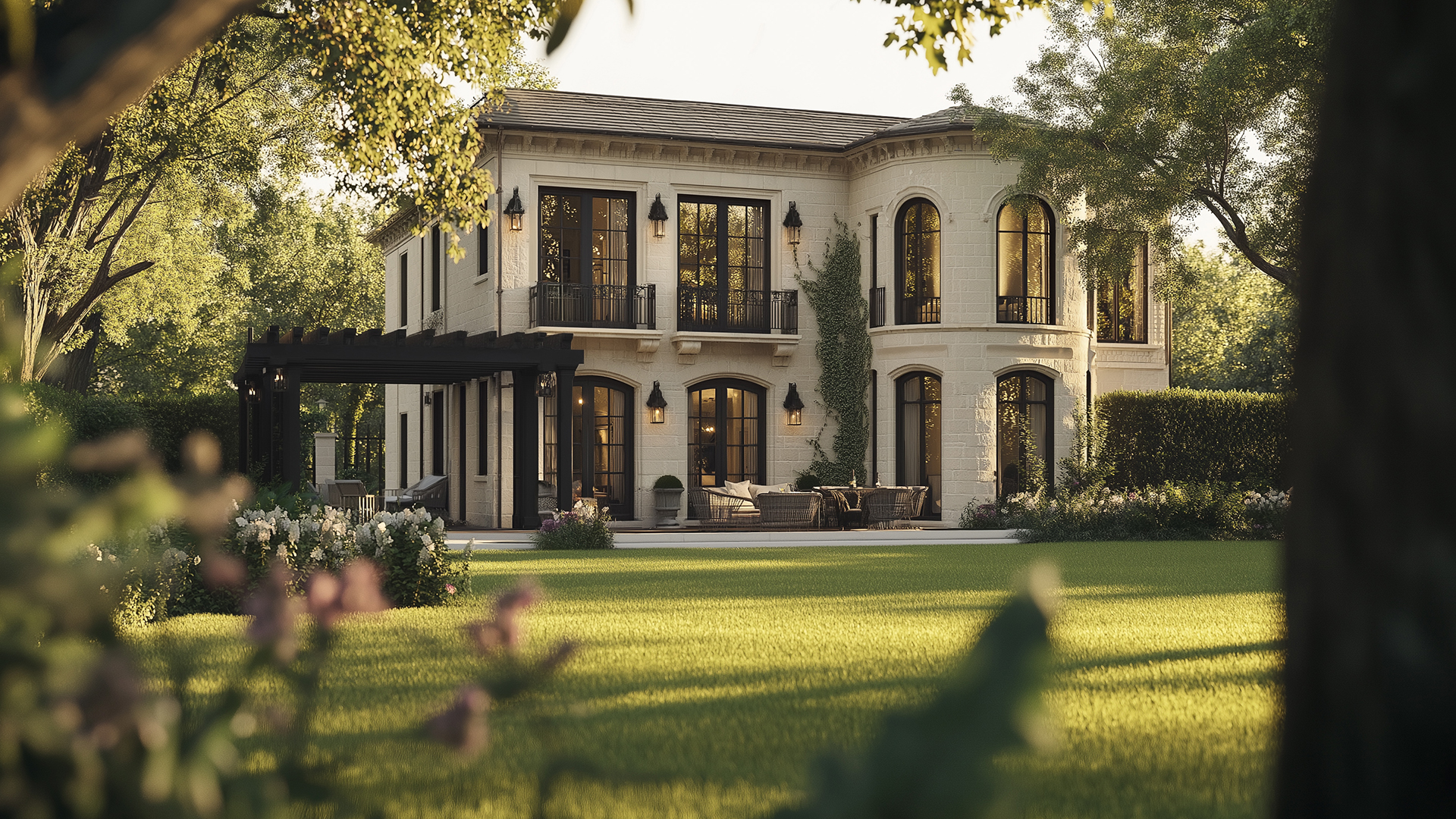
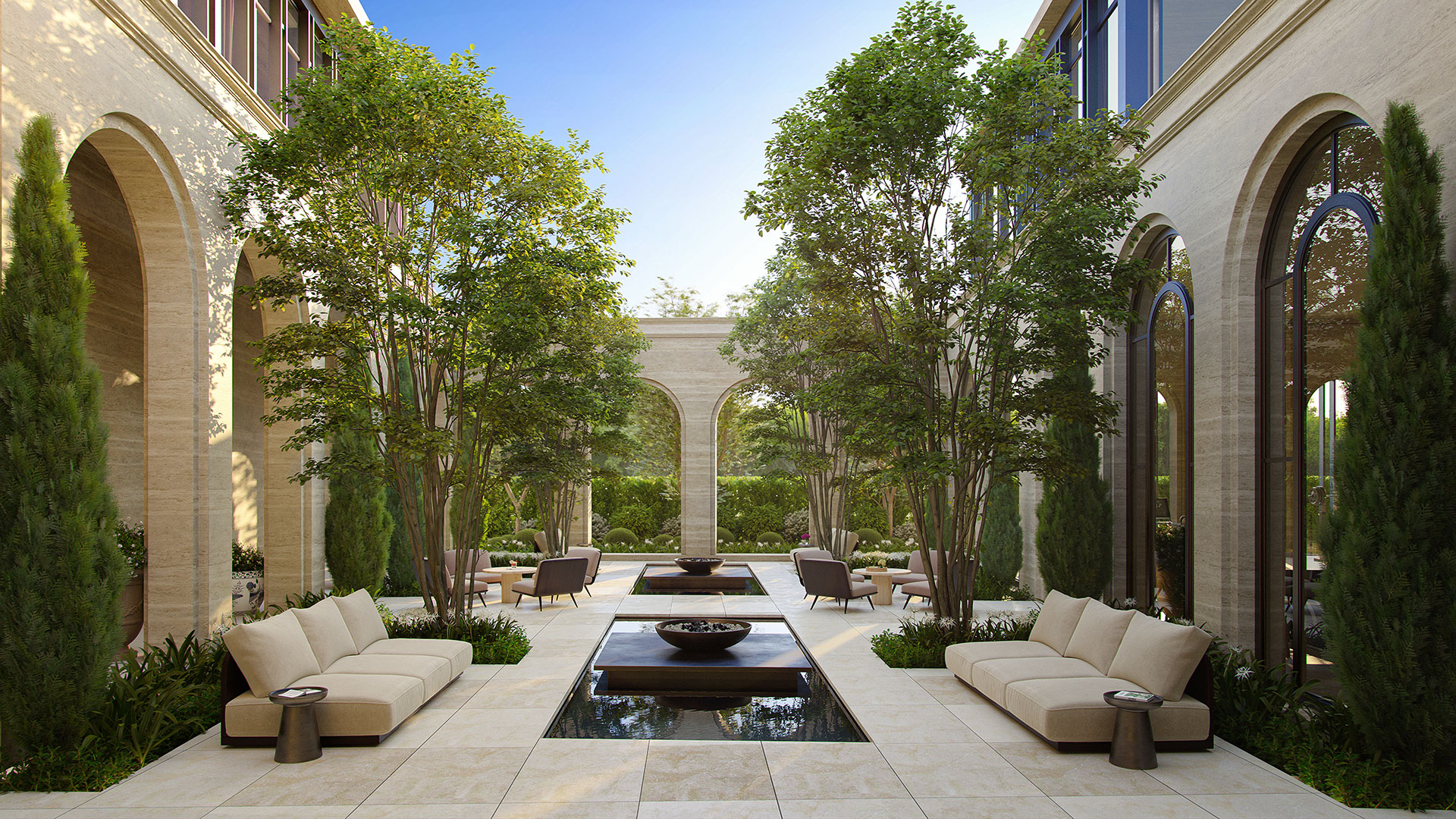
The most memorable farmhouses read as a single architectural idea rather than a collection of rooms with grounds attached. House, courtyard, water, shade and planting are designed together, so that moving from the arrival court to the living spaces to the garden feels like one continuous thought. This is where a true farmhouse villa pulls away from a large suburban home: the landscape is not the leftover space around the building, it is half the design.
A strong brief saves more money and heartache than any single design decision. The framework below sets out the sequence we use with clients, and what each stage is really deciding.
| Stage | What You Decide | Why It Matters |
|---|---|---|
| 1. Purpose | Weekend retreat or full-time residence | Sets the engineering, room count and servicing brief from day one. |
| 2. Site Appraisal | Slope, sun, water, trees, approach, soil | The land study drives the plan; skipping it produces generic houses. |
| 3. Land Strategy | Arrival, living, service and landscape zones | Defines privacy, flow and the sense of estate before built form. |
| 4. Architecture | Massing, orientation, indoor-outdoor relationship | Where climate logic and the single design idea are locked in. |
| 5. Materials | Stone, plaster, timber, roof and floor palette | Determines how the house ages and what it costs to maintain. |
| 6. Landscape and Water | Gardens, courts, pools, drainage, irrigation | Half the design; planned with the house, never bolted on after. |
| 7. Systems | Power, water, climate, security, connectivity | Makes a full-time estate liveable and resilient at the grid edge. |
Choosing the right practice is the single highest-leverage decision in a farmhouse project, because the early calls about siting, climate and longevity are difficult and expensive to reverse. A few signals separate the practices worth your time.
Demand Finished Images: Ask to walk a completed project, ideally one that is a few years old, so you can see how the materials and landscape have matured rather than how they looked the week of handover.
Contextual and spatial intelligence: Listen for how a designer talks about your specific site. Generic enthusiasm is a warning sign. Real interest in your trees, your light and your approach is the opposite.
Principal-led attention: A farmhouse rewards a single point of senior accountability. The consequential decisions should not be delegated down to a template or a junior team working in isolation.
Clarity of process: A practice that can explain its stages, its drawings and its decision points before you sign is far more likely to deliver calmly than one that promises everything and sequences nothing.
The big-picture vision: The best answer to almost any farmhouse question begins with how the choice will look and perform in a decade, not at the launch party.
“A farmhouse is not a big house that happens to be in the country. It is a piece of land that has been given a house. When we get the order of those two things right, everything else becomes simpler.”
- Aparna Kaushik, Founder and Principal Architect, Aparna Kaushik Design Group
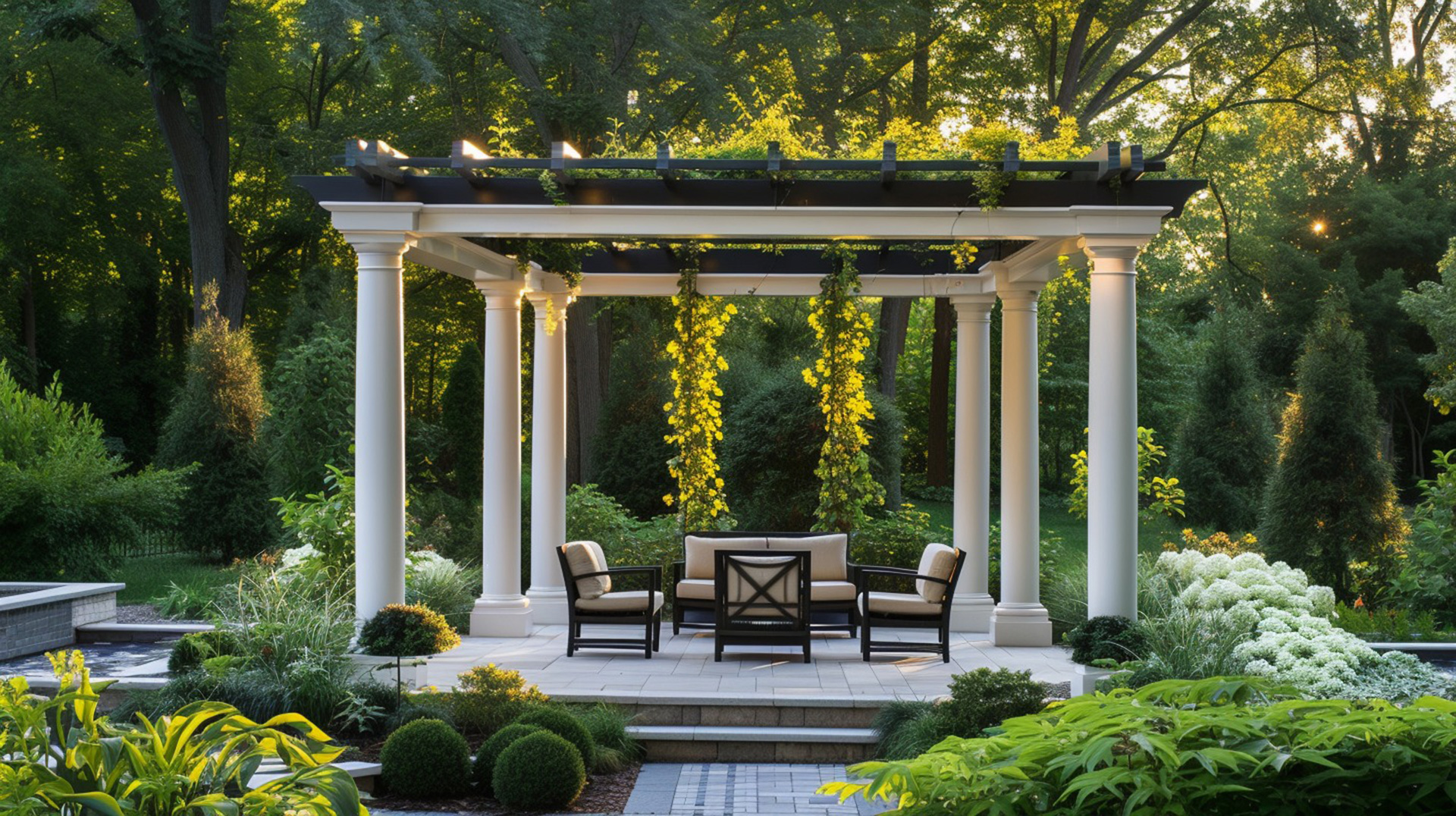
A luxury farmhouse is defined by how intelligently the land is used, not by the size of the house alone. The site is read first: its slope, its trees, the direction of the sun and the prevailing breeze, and the way you approach the property. The built form then responds to that reading. Generous land, a considered approach sequence, materials chosen to age well, and a single coherent relationship between house and landscape are the real markers, far more than the headline square footage or the finish budget.
The categories overlap, and many clients use the terms interchangeably. In practice a farmhouse sits on substantially more land, usually an acre or more, and treats the landscape as part of the architecture. A luxury bungalow design tends to be a single-storey or low-rise home on a city plot, where the boundary walls sit close. A villa can be either urban or resort-led. The farmhouse is distinguished by space, privacy, and the way the grounds, water and shade are designed together with the house.
There is no fixed rule, but most luxury farmhouses in India sit on between one and five acres, with larger estates extending well beyond that. The land matters less as a number and more as a canvas. Even on a single acre, a well-planned approach, a courtyard, mature planting and a clear separation between arrival, living and service zones can produce a real sense of estate. On smaller plots the design discipline simply has to be tighter.
The most established belts sit around Delhi NCR, including Chhatarpur, Westend Greens, Rajokri and the farms along the southern ridge. Around Mumbai, Alibaug has become the weekend estate of choice for many families. Bengaluru, Hyderabad and Pune all have growing farmhouse zones on their outskirts. Each location carries its own climate, soil and planning context, which is why a design that works in one belt should never be copied directly into another.
The strongest farmhouses favour materials that improve with age and weather gracefully in the open. Local stone, lime plaster, exposed brick, solid timber and natural finishes tend to settle into the landscape rather than fight it. Highly engineered surfaces that look perfect on handover day often date quickly outdoors. The right material strategy considers maintenance over decades, the way light falls across a surface through the seasons, and how the palette connects the house to the soil and planting around it.
A considered luxury farmhouse usually takes longer than a city home because the land study, landscape and water systems are designed alongside the building. Design and approvals commonly run several months, and construction of a substantial estate often spans well over a year, sometimes two or more for the largest projects. Rushing this sequence is the most common way that expensive farmhouses end up feeling generic. The land deserves the time.
Both briefs are valid, but they produce very different houses. A weekend retreat can lean into openness, courtyards and seasonal living. A full-time residence needs the systems of a primary home: reliable power and water, climate control, security, connectivity and staff planning. Deciding this clearly at the outset shapes everything from room count to mechanical design. Many Indian families now commission farmhouses as primary residences, which raises the bar on engineering and servicing.
Modern luxury farmhouse design keeps the calm, grounded character of a traditional country estate while opening it up with clean lines, large glazed openings to the landscape and contemporary servicing. It is not about stripping away warmth. The best modern luxury villa design in this category pairs natural materials and craft detail with the comfort, light and spatial flow that contemporary families expect. The aim is a house that feels both timeless and unmistakably of its moment.
Look for a practice that reads land well and can show built work, not only renders. A farmhouse rewards principal-led attention, because the decisions about siting, climate and longevity are too consequential to delegate to a template. Ask to walk a completed project, ideally one a few years old, so you can see how the materials and landscape have matured. Clarity on process, a single point of senior accountability and evidence of long-view thinking matter more than the size of the firm.
Costs vary widely with land, location, scale and finish level, so any single figure would be misleading. What is consistent is that the land study, landscape, water and engineering are a meaningful share of the budget on a true estate, not an afterthought. The most useful early step is a clear brief and a realistic site appraisal, which lets a design practice give you a grounded cost range rather than a number pulled from a comparable that does not match your land.
A luxury farmhouse is one of the most rewarding things a family can build, and one of the easiest to get subtly wrong. The difference is almost never the budget. It is whether the land was read before the house was drawn, whether the climate shaped the plan, whether the materials were chosen for the long view, and whether a single design idea held the whole property together.
If you are considering a farmhouse estate in India or the UAE, the most useful first step is a clear brief and an honest appraisal of your site. You can explore our residential projects, read more in our design journal, or start a conversation with the studio about your land and what you would like it to become.
Aparna Kaushik is one of India's foremost architects, recognised among the country's top five for her work on ultra-luxury private residences. With over 18 years of practice and a studio founded in 2008, she has completed landmark estates across India and is now working with UHNW clients in the UAE. Her work blends European classicism with modernist tropical architecture — a sensibility shaped by India's design heritage and executed to a standard that is increasingly sought by Dubai's most discerning villa owners.
aparnakaushik.com/about-us | enquiries@aparnakaushik.com | @aparnakaushikofficial