KEY TAKEAWAYS
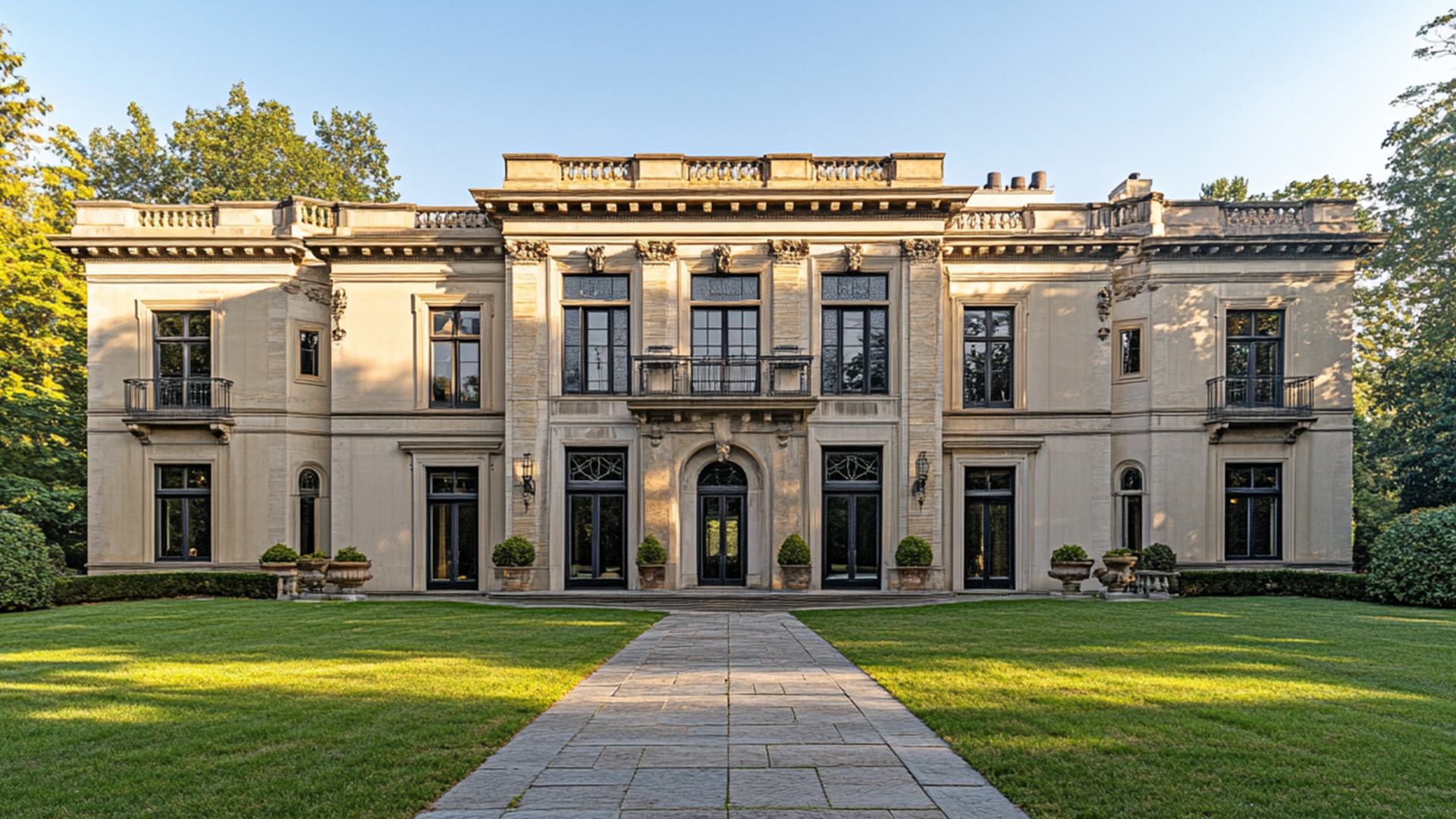
Dubai's first generation of luxury villas is now old enough to be the city's biggest design opportunity. The stock built through the 2000s in Emirates Hills, the Palm's fronds, Jumeirah Islands and Al Barari sits on land that has never been more valuable, wrapped in buildings that no longer match how their owners want to live. That gap is why renovation has quietly become one of the highest-return moves in the market: renovated villas in prime communities are recording a 22 to 30% equity uplift over comparable original-condition stock (industry market data, 2026). AKDG's UHNW brief for Dubai's trophy villa addresses sets out what these communities demand of a new build; this guide covers the other half of the market, the owner who already holds the address and wants the villa underneath it brought up to the same standard.
Renovate when the structure is sound and the plot position is exceptional; rebuild when the bones cannot support the home you actually want. That is the short answer, and it holds across every prime community in Dubai. A renovation preserves an address and a position, on a Palm frond tip or a golf-course plot, that no amount of budget can recreate, and it is usually faster than starting from the foundation. A rebuild is the more honest choice when the original floor plan is fundamentally wrong for the owner, when the structure has aged badly, or when the services need replacing so completely that the renovation premium disappears.
The age of the stock matters here. A villa built in 2004 was planned around assumptions, formal majlis at the front, closed kitchen, small windows to manage heat, that current owners routinely reverse. Opening those plans up is possible, but it is structural work, not decoration, and the honest comparison between renovation and rebuild should be made by a team that can price both paths against the same finished brief.
A villa renovation in Dubai costs between roughly AED 250 and AED 1,200 per square foot in 2026, and the band an individual project lands in is set almost entirely by scope and finish level. A cosmetic refresh of finishes and joinery sits at the bottom of that range, a mid-scope renovation that reworks bathrooms, kitchens and some walls sit in the middle, and a full gut renovation with structural changes and ultra-luxury finishes sits at the top. In Palm Jumeirah specifically, coastal material requirements, frond access logistics and the expected finish standard push costs 25 to 40% above comparable communities, with serious projects budgeting AED 950 to 2,500 per square foot (industry renovation cost data, 2026).
Dubai villa renovation cost bands, 2026
| Scope | Typical Cost (AED / sq ft) | What It Covers |
|---|---|---|
| Cosmetic refresh | 250 to 450 | Paint, flooring, lighting, joinery refresh, no layout change |
| Mid-scope renovation | 450 to 700 | New kitchens and bathrooms, selective wall changes, upgraded services |
| Full gut renovation | 700 to 1,200 | Structural changes, full services replacement, high-end finishes throughout |
| Prime waterfront (Palm Jumeirah and similar) | 950 to 2,500+ | Ultra-luxury scope with coastal-grade materials and community logistics |
These figures describe a market, not a quote. The variables that move a real project across bands are structural scope, the quality tier of stone, joinery and glazing, and how much of the mechanical and electrical backbone has to be replaced. What the bands do make clear is that renovation is a capital project, and it deserves the same design rigour as a new build, because the equity uplift that justifies the spend only materialises when the finished villa reads as a coherent whole rather than a chain of upgrades.
Almost every villa renovation in Dubai needs two layers of consent before work starts: a no-objection certificate from the community's master developer, and a permit from the relevant building authority. Which authority that is depends on where the villa stands. Nakheel communities such as Palm Jumeirah and Jumeirah Islands fall under Trakhees, several districts fall under the Dubai Development Authority, and much of the rest of the city is permitted through Dubai Municipality. Emaar and Nakheel also enforce their own community design guidelines, covering everything from external modifications and extensions to boundary treatments and pool positions.
The practical consequence is sequencing. Structural changes, extensions and anything visible from outside the plot need drawings prepared to the standard the master developer and the authority expect, and revisions at this stage are far cheaper than revisions on site. An experienced team treats the approvals package as part of the design process rather than an administrative afterthought, which is the difference between a permit cycle measured in weeks and one measured in seasons.
Four moves consistently return more than they cost in Dubai's prime villa market: opening the plan, rebuilding the principal bathrooms as spa suites, replacing 2000s-era windows with full-height glazing, and turning the garden into genuinely usable outdoor rooms. Each one addresses a specific weakness of the legacy stock, and together they account for most of the gap in value between an original-condition villa and a renovated one on the same street.
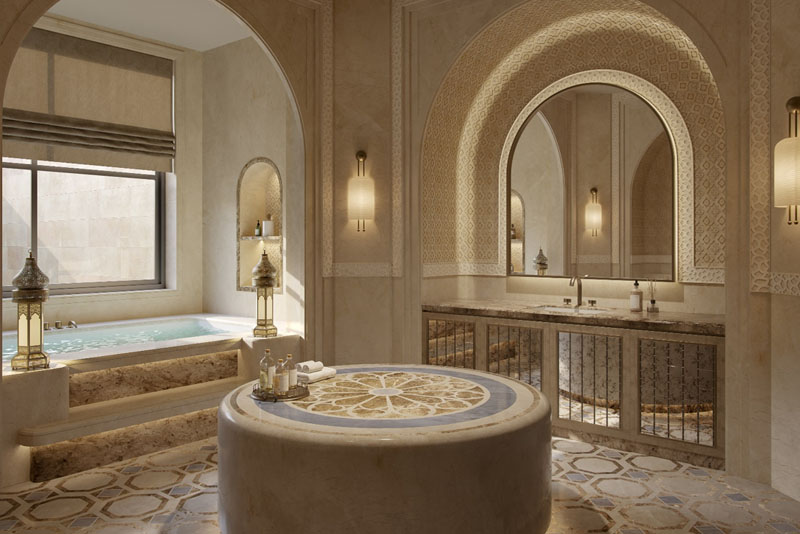
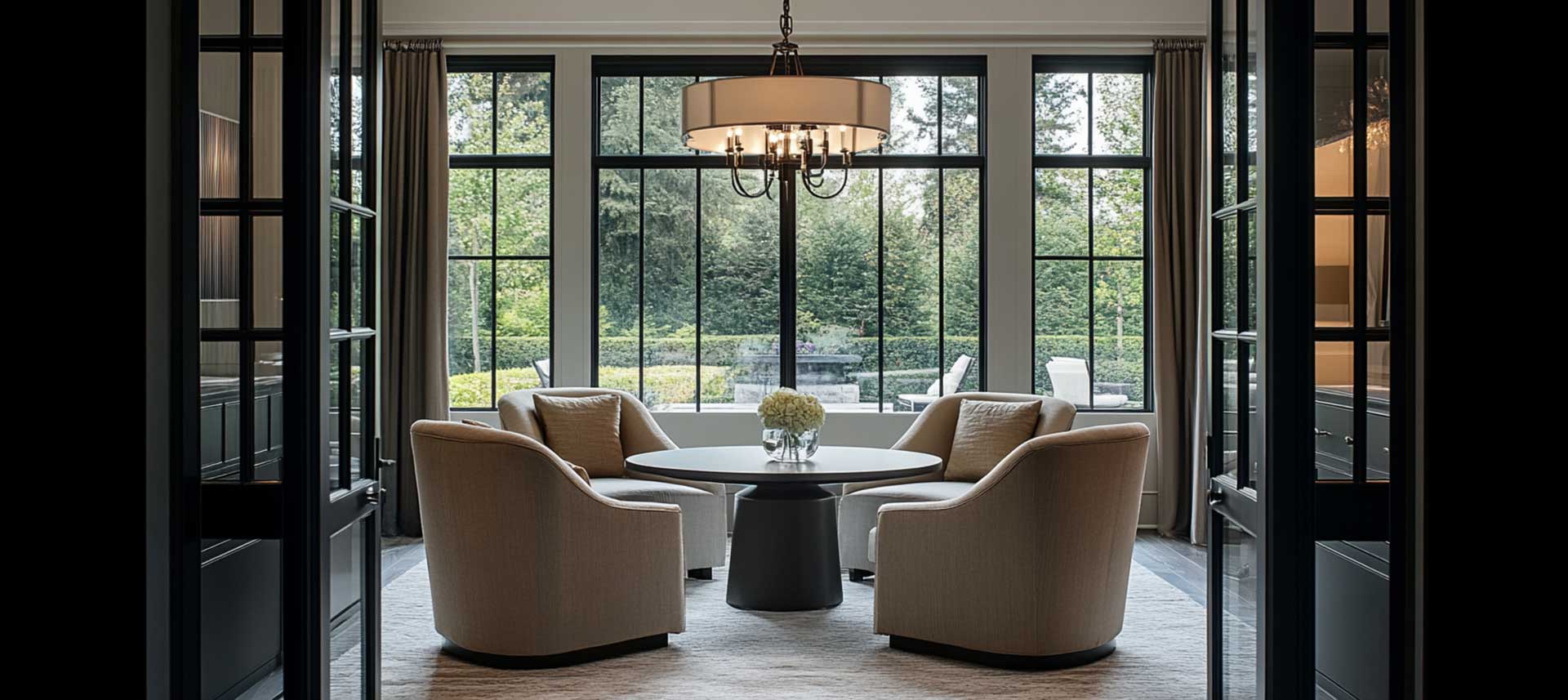
Opening the plan matters most because it changes how the entire ground floor lives: kitchens open to family living, sightlines run through to the pool, and the formal-versus-family divide of the original plans gives way to one generous sequence of spaces. Spa bathrooms and dressing suites follow, because buyers at this level now judge a villa by its principal suite the way an earlier generation judged it by its reception rooms. Full-height glazing transforms both light and the perceived size of every room facing the garden or water. And the outdoor room, a shaded terrace, an outdoor majlis, a summer kitchen, extends the villa's usable footprint for most of the year.
Technology belongs in this list as infrastructure rather than gadgetry. A renovation is the one moment when wiring, cooling zones and automation backbones can be rebuilt invisibly, a subject AKDG covers in depth in its guide to smart home design for Dubai's luxury villas. Owners who skip this layer during a gut ren ovation almost always regret it, because retrofitting it later reopens finished walls.
A full luxury villa renovation in Dubai typically takes 6 to 12 months on site, with design and approvals adding 3 to 5 months before that. Cosmetic refreshes can complete in a single summer; gut renovations of very large villas, or projects in communities with restricted working hours and access logistics, run longer. The timeline risk is rarely the construction itself. It is the sequencing of approvals, long-lead materials such as stone and bespoke joinery, and specialist trades, pools, glazing, automation, landscape, all needing the site at the right moment.
This is where renovation differs most from decoration. A project that begins on site before the approvals, procurement and trade sequence has been planned end to end will drift, and every month of drift on a villa of this scale carries real cost. The most reliable renovations are the ones that spend longer in planning than their owners initially expected, and then run on site without improvisation.
A gut renovation is architecture, interiors, services engineering and landscape happening simultaneously inside an occupied community, and the joints between those disciplines are where renovations go wrong. A structural opening that ignores the interior plan, a lighting scheme designed after the ceilings closed, a garden treated as an afterthought to the architecture: each is a symptom of a project run as a relay race between separate consultants.
Aparna Kaushik Design Group runs renovation the way it runs new builds, as one brief held by one team from the first survey to handover, spanning architecture, interiors, furniture, lighting, landscape and turnkey execution. On a renovation, that integration is worth even more than on a clean site, because every discovery inside an existing structure, and there are always discoveries, gets resolved against the whole design rather than traded between contractors. Owners considering a renovation in Dubai can get in touch with the studio to test a brief against both paths, renovation and rebuild, before committing to either.
"The address is the one thing you cannot design. When the position is right, our job is to bring the villa up to the level of its own land, and that is a question of judgement about what to keep, not just what to change."
— Aparna Kaushik, Principal Architect and Interior Designer
Villa renovation in Dubai costs roughly AED 250 to 1,200 per square foot in 2026 depending on scope, from cosmetic refresh to full gut renovation. In premium communities such as Palm Jumeirah, coastal materials and access logistics push serious projects to AED 950 to 2,500 per square foot (industry renovation cost data, 2026).
Yes. Well-executed renovations in Dubai's prime villa communities typically deliver a 22 to 30% increase in equity value over comparable original-condition stock, according to 2026 market data, making renovation one of the highest-return property investments available to villa owners in the city.
Most renovations need a no-objection certificate from the master developer, such as Emaar or Nakheel, followed by a permit from the relevant authority: Trakhees for Nakheel communities, the Dubai Development Authority for its districts, or Dubai Municipality elsewhere. Structural work and external changes carry the most demanding documentation.
A full luxury villa renovation typically takes 6 to 12 months on site, with design and approvals adding around 3 to 5 months before construction starts. Cosmetic refreshes are faster; very large villas or communities with restricted access run longer.
Renovate when the structure is sound and the plot position is exceptional, since the address cannot be recreated. Rebuild when the original floor plan is fundamentally wrong for how you live, or when structural and services remediation would erase the renovation's cost advantage. The comparison is best priced by one team against the same finished brief.
Open-plan ground floors, principal bathroom suites rebuilt to spa standard, full-height glazing, and shaded outdoor rooms consistently return the most in Dubai's prime villa market. A renovation is also the right moment to rebuild wiring, cooling and automation infrastructure invisibly.
Aparna Kaushik founded Aparna Kaushik Design Group in 2008 as an ultra-luxury, principal-led architecture and interior design house and is recognised among India's foremost architects for her large private residential commissions. Her studio's UAE practice serves UHNW clients across Dubai and Abu Dhabi, delivering architecture, interiors, furniture, lighting, landscape, art curation, and turnkey execution as one coordinated service.
aparnakaushik.com/about-us | enquiries@aparnakaushik.com | @aparnakaushikofficial