KEY TAKEAWAYS
Interior designers in Pune are working in the middle of the sharpest luxury acceleration in urban India. The city sold more homes in the first half of 2026 than any other Indian metro, 44,265 of them worth INR 37,048 crore, and the top of that market moved fastest: sales value in the above-INR 3 crore bracket rose 85 percent year on year, lifting Pune into the tier of five cities that lead the country's ultra-luxury sales (industry market reports, 2026). What makes the moment interesting for design is who is buying and what they are buying: first-generation technology and enterprise wealth, most of it under 40, choosing between old-money Koregaon Park bungalows, eastern-corridor sky villas and the new estate belts of west Pune. AKDG has read this pattern before, in the city guides it has published on the luxury interior design languages of Mumbai and Bangalore, and Pune deserves the same treatment: not a directory, but a map of the brief.
Luxury interior design in Pune is defined by a young market buying at a mature price point. The city's premium buyer is typically a first-generation founder, senior technology professional or industrialist family, often globally travelled and design-literate, commissioning at budgets that match Mumbai's inner suburbs but on plots and floor plates Mumbai cannot offer. The result is a brief that skips the intermediate stages other cities passed through: Pune's new luxury client asks directly for integrated architecture and interiors, wellness and entertainment programmes, automation as standard, and a design language that reads as considered rather than loud.
The scale of demand behind that brief is new. A quarter of all homes sold in the city in the first half of 2026 were priced above INR 1 crore, the luxury segment is growing at roughly 15 percent annually, and branded developments are selling out at premiums that would have seemed implausible in Pune five years ago (industry market reports, 2026). Design capacity at the top of the market has not kept pace with that money, which is precisely why serious buyers increasingly look beyond the local decorator pool to principal-led studios working at a national level.
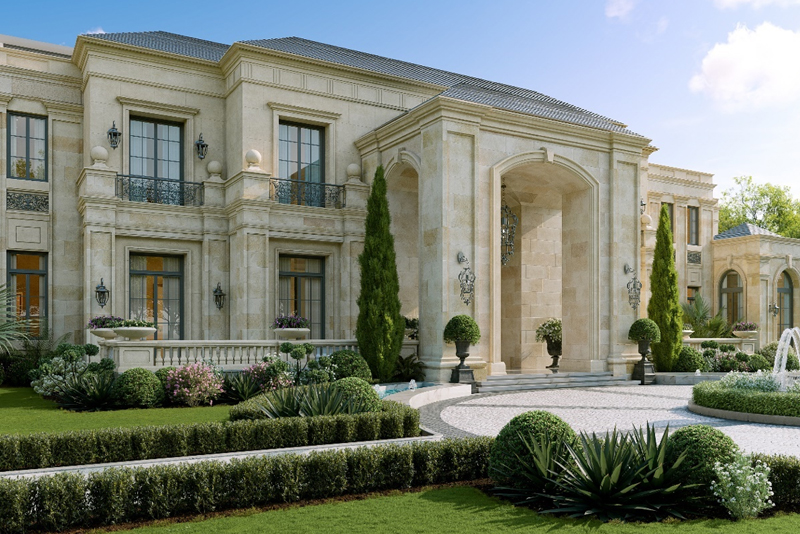
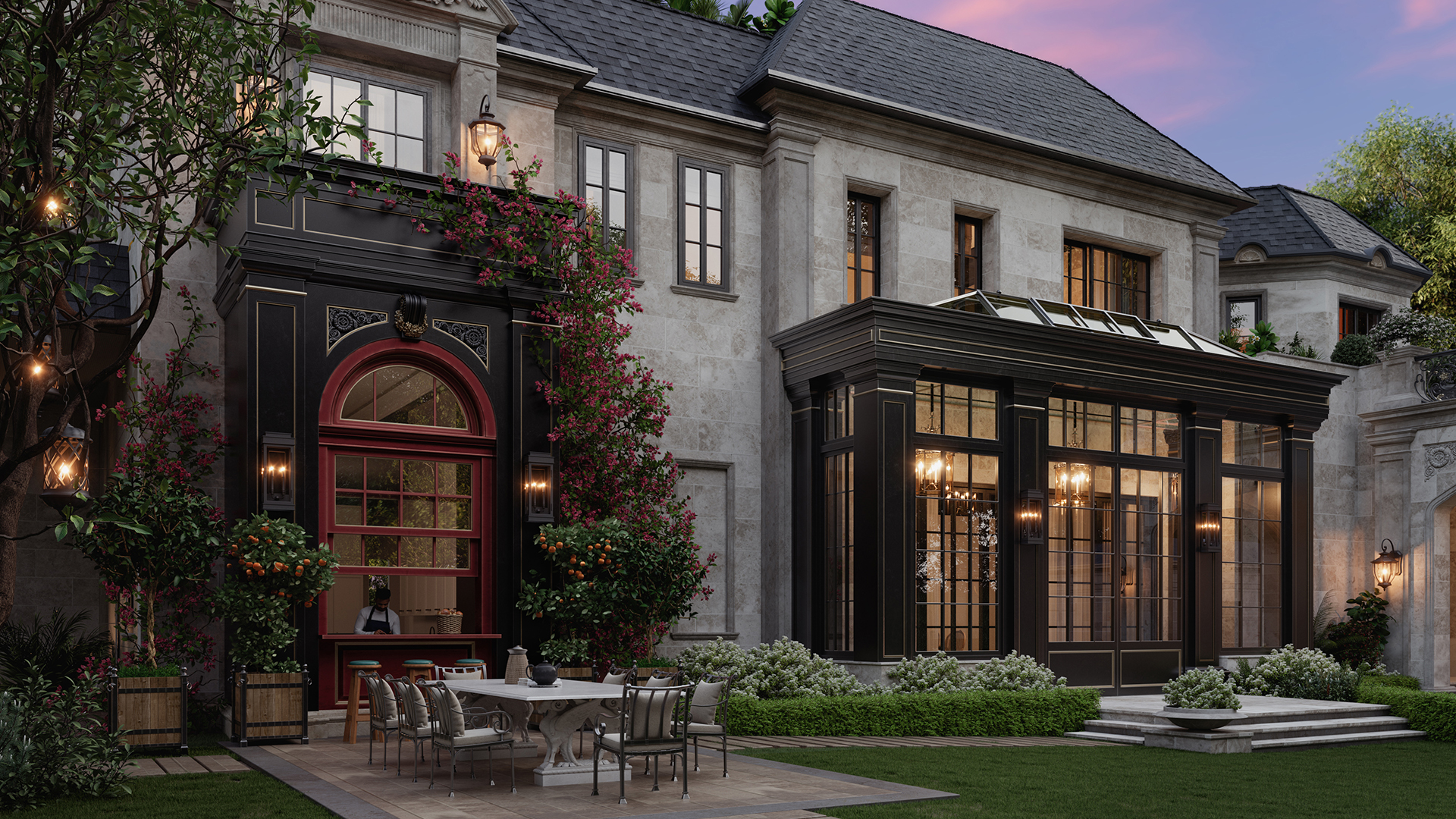
Pune's luxury market offers two fundamentally different homes, and the design disciplines behind them differ as much as the addresses. The bungalow brief, in Koregaon Park's leafy lanes, the Boat Club Road belt and the plotted colonies of Baner-Pashan and beyond, is estate design: architecture, landscape and interiors resolved together on private land, with the garden and the arrival sequence carrying as much of the luxury as the rooms. The sky villa brief, in the towers rising through Kalyani Nagar, Kharadi and the eastern corridor, is the inverse: a full floor or duplex where the views are the site, and the design problem is giving a large horizontal plate the spatial drama, zoning and material depth that land would otherwise provide.
The two briefs reward the same underlying discipline, which is planning before decoration. A bungalow that scatters its rooms across a beautiful plot with no organising idea, or a sky villa fitted out as a sequence of showrooms, both fail the same way: money visible everywhere, intent visible nowhere. The studio's estate thinking, set out in its city guides and its work on penthouse and sky-level living in India, applies to Pune without translation.
Pune's luxury micro-markets at a glance
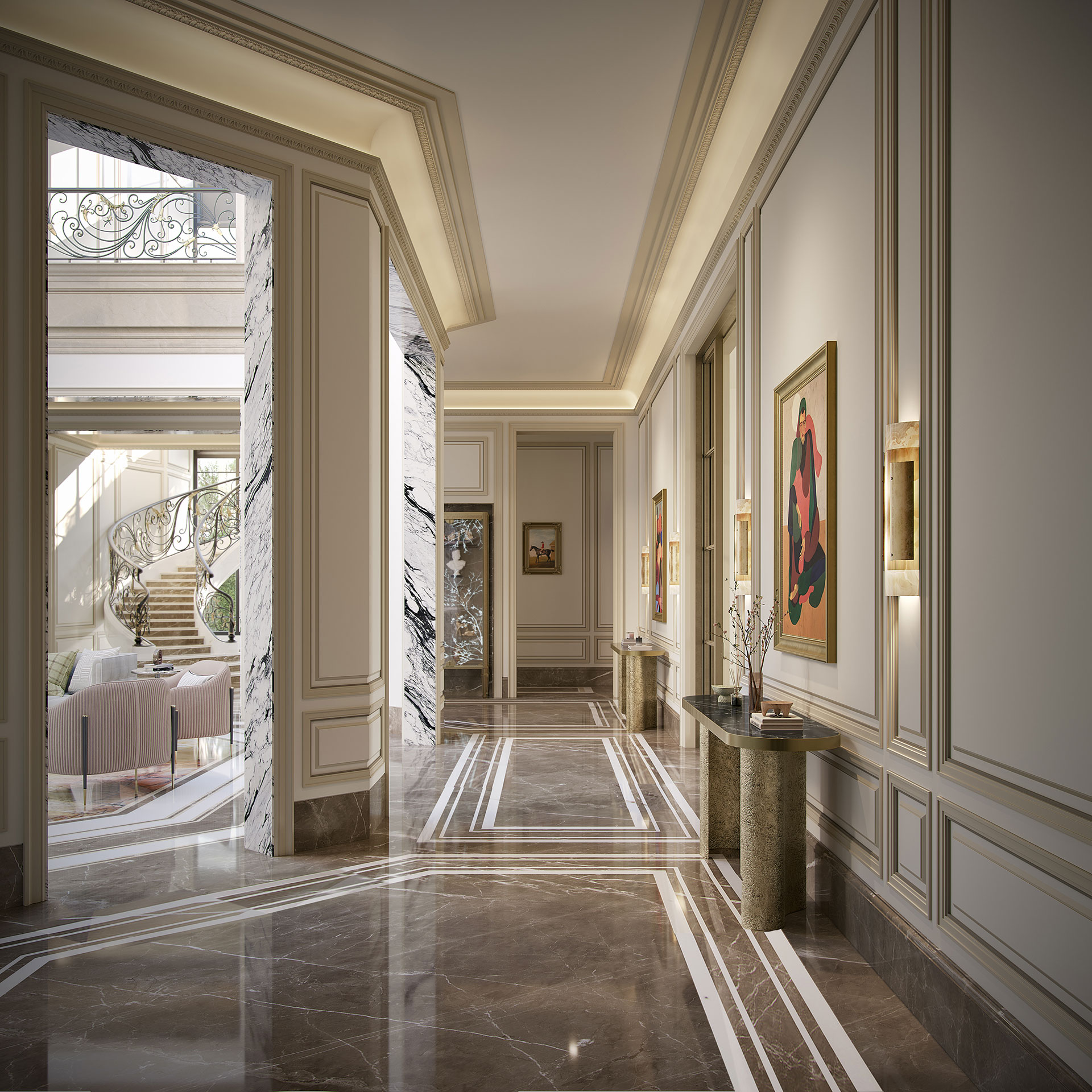
Koregaon Park and the Boat Club belt are Pune's Alipore: established families, mature gardens, and a preference for luxury that does not announce itself. Briefs here tend toward restraint, natural stone, aged brass, deep joinery, art over ornament, and renovations that add contemporary comfort without breaking an address's composure. West Pune is the counterpoint: Baner, Pashan, Bavdhan and the estate plots toward the hills are where first-generation wealth builds from the ground up, and the briefs are more ambitious in form, double-height volumes, dramatic stairs, wellness floors, because there is no older architecture to defer to.
Reading which client sits in which brief is most of the designer's first meeting. The error to avoid is imposing one register on the other: a Koregaon Park bungalow renovated into glossy spectacle, or a west Pune estate dressed in borrowed old-money beige. The city rewards designers who can hold both registers honestly, which is the same lesson AKDG drew in Bangalore, another market where technology wealth and older establishment taste share a city without sharing a brief.
The arrival of branded residences is quietly resetting Pune's expectations of private interiors. India has become one of the world's largest branded-residence markets, the segment commands premiums of 30 to 40 percent over comparable unbranded stock, and the model reached Pune in earnest in 2026, led by the eastern corridor's marquee towers (industry market reports, 2026). What the brand actually sells is certainty: hotel-grade services, warrantied finishes, and a design standard maintained in perpetuity.
For private clients the lesson transfers directly. Buyers who have toured a branded show residence return to their own commissions asking for the same things by name, back-of-house service planning, spa-standard bathrooms, documented material specifications, and a finish quality that survives handover inspections. Meeting that bar is an execution question as much as a design one, which is why the studio delivers its interiors through in-house furniture, lighting and turnkey capability rather than leaving the standard to a contractor's interpretation.
The single most useful filter for a UHNW commission in Pune is whether the principal designs your home or the firm's process does. Volume players and franchised studios can deliver competent rooms; what they cannot deliver is a single author's judgement running from the site plan to the last door handle, which is what separates a residence from a fit-out at this level. The questions that reveal the difference are straightforward.
Aparna Kaushik Design Group works in Pune on exactly these terms, as a principal-led practice profiled in the studio's UHNW shortlist guide to luxury interior designers in India, carrying estate and sky-villa commissions from first sketch to styled handover. Families weighing a Pune project, a Koregaon Park renovation, an eastern-corridor sky villa or a ground-up estate in the west, can get in touch with the studio while the brief, and ideally the property decision itself, is still open.
"Pune's new wealth is young, travelled and completely unsentimental about how a home should look. What it wants is intent: one idea, held from the gate to the last room, and the discipline to say no to everything that dilutes it."
— Aparna Kaushik, Principal Architect and Interior Designer
Faster than any comparable Indian metro. In the first half of 2026 Pune recorded 44,265 home sales worth INR 37,048 crore, and the sales value of homes above INR 3 crore surged 85 percent year on year, placing Pune among the five cities that lead India's ultra-luxury sales (industry market reports, 2026).
Koregaon Park and the Boat Club Road belt hold the establishment addresses and bungalow stock; Kalyani Nagar and Kharadi lead the sky-villa and branded-residence market on the eastern corridor; and Baner, Pashan and west Pune's plotted estates are where new wealth builds ground-up homes.
Serious luxury interiors in Pune generally run from around INR 1,500 to past INR 3,500 per square foot depending on scope and materials, with full bungalow or sky-villa projects commonly landing between INR 2 crore and INR 10 crore or more once bespoke joinery, automation and turnkey execution are included.
A branded residence pairs private homes with a luxury hotel or lifestyle brand that manages services and maintains the design standard. The segment commands premiums of 30 to 40 percent in India and arrived in Pune in earnest in 2026, resetting buyer expectations for service planning and finish quality across the private market.
Choose the bungalow if land, landscape and privacy are the point; it is an estate brief where architecture, garden and interiors are designed together. Choose the sky villa if views, security and lock-and-leave convenience matter more; its design challenge is giving a large tower plate genuine spatial character.
Principal-led authorship, an integrated scope spanning architecture, interiors, landscape, furniture and lighting, completed homes at comparable scale, and in-house turnkey execution. At the UHNW level the deciding question is whose judgement runs the project: a named principal's or a firm's process.
Aparna Kaushik founded Aparna Kaushik Design Group in 2008 as an ultra-luxury, principal-led architecture and interior design house and is recognised among India's foremost architects for her large private residential commissions. Her studio's UAE practice serves UHNW clients across Dubai and Abu Dhabi, delivering architecture, interiors, furniture, lighting, landscape, art curation, and turnkey execution as one coordinated service.
aparnakaushik.com/about-us | enquiries@aparnakaushik.com | @aparnakaushikofficial