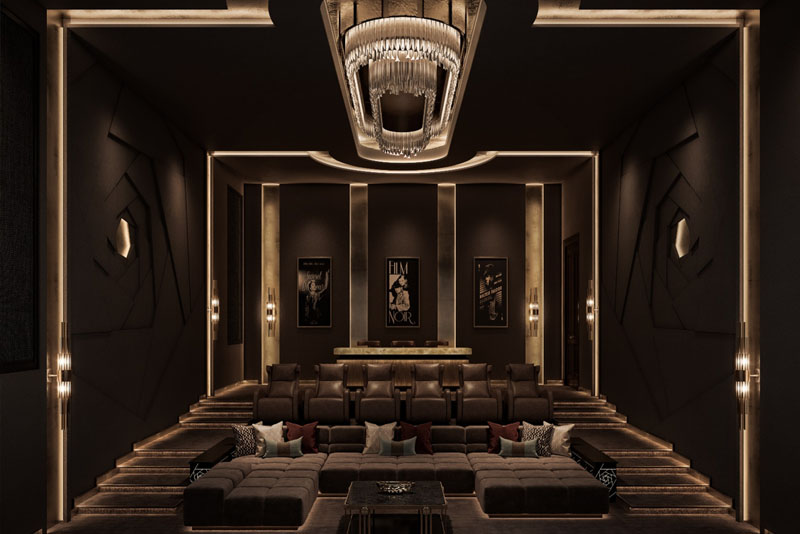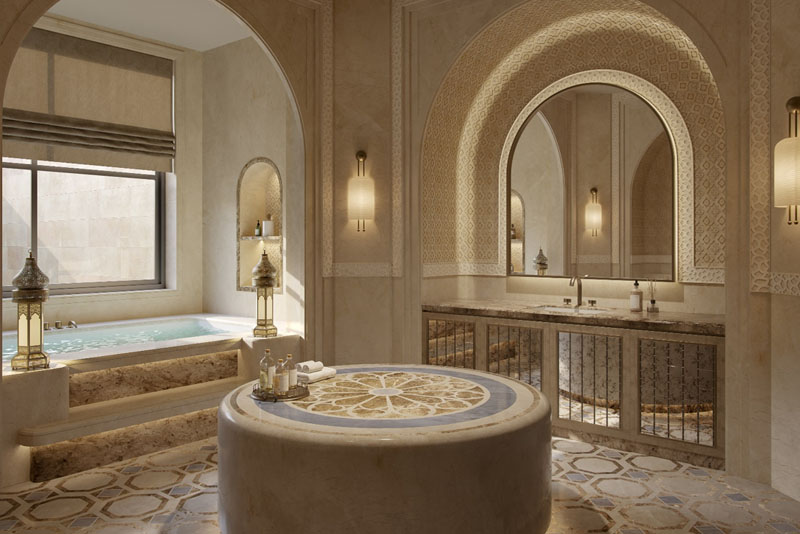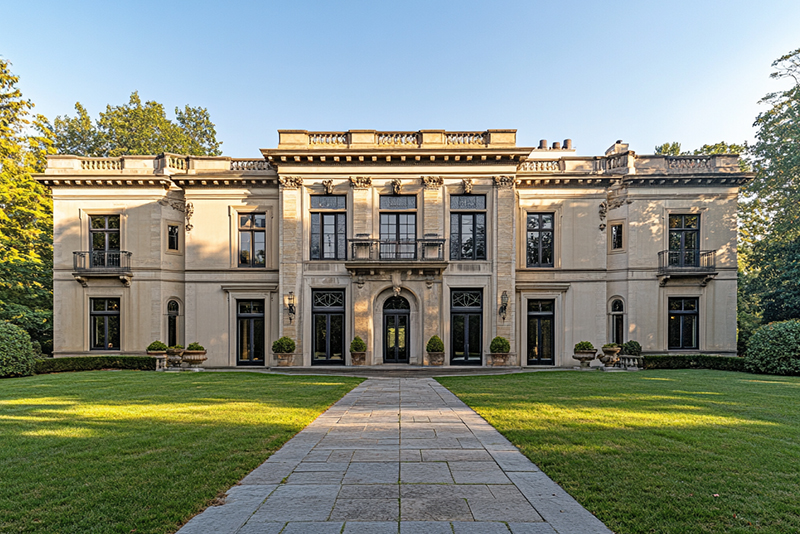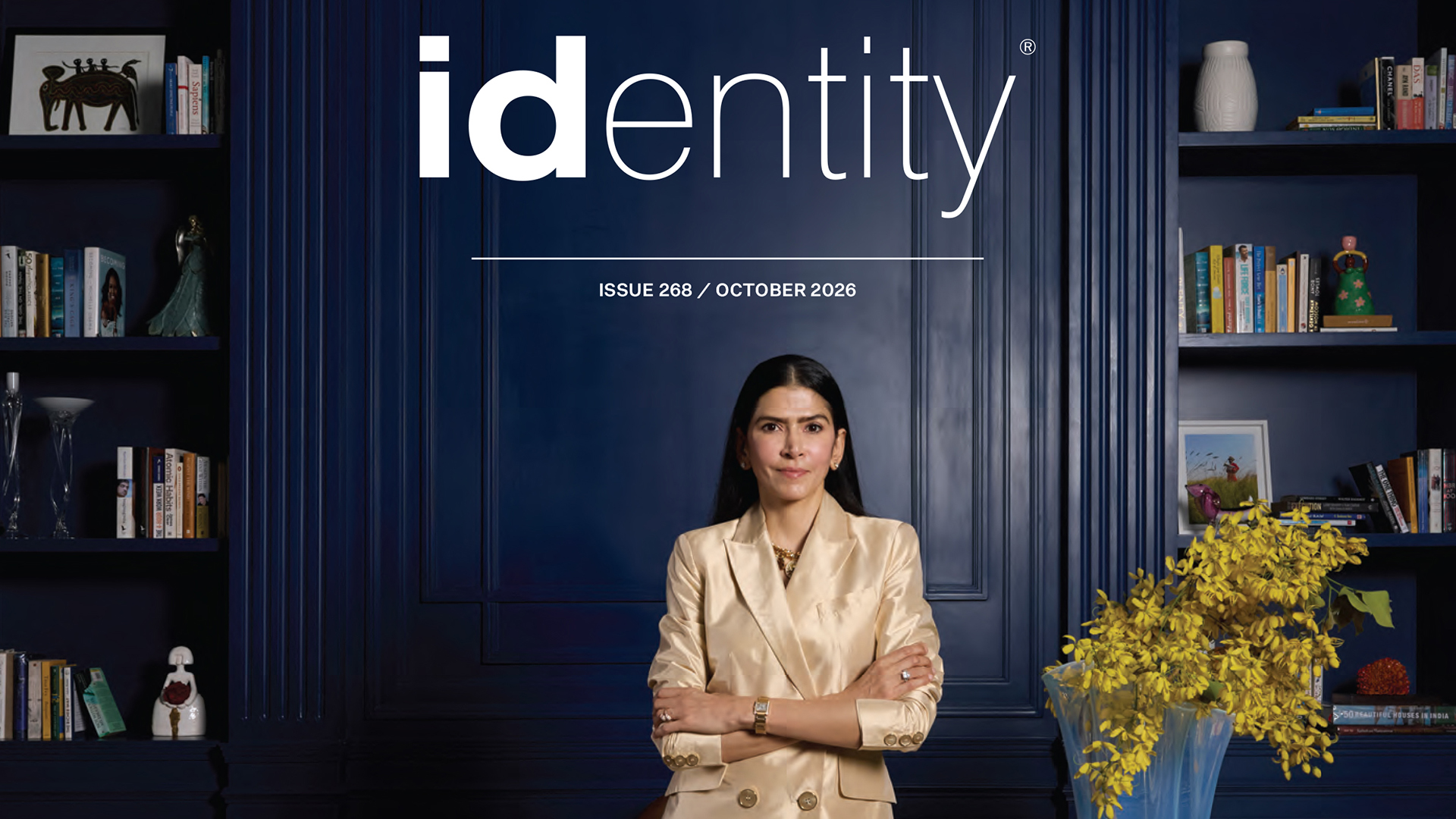
For Aparna Kaushik, architecture sits at the intersection of two lifelong fascinations: history and storytelling. She was initially drawn to a career in medicine, yet her enduring interest in archaeology ultimately led her towards architecture, a discipline that offered a compelling balance between the arts and science, while allowing her to shape the way people experience and inhabit spaces. Over time and through experience with various firms, she then started on her own as Aparna Kaushik Design Group, a full-service firm across architecture, interior design, furniture design, product design, and landscape design that focuses on ultra-luxury homes. “We are sought after for serving a unique balance of both aspirational design and precision; in particular, bespoke high-end, ultra-luxury residential estates. Timelessness and elegance becomes a recurrent motif in our work, ethos, and conduct,” shares Kaushik. The firm intricately manoeuvres every component of the design process, from conception to execution. This includes sparing no details, from the curation of furniture and lighting to floor plans and elevations. Its projects are what Kaushik coins “monolithically cohesive.”
This timely career pivot has taken Kaushik and her firm far. Besides designing luxury homes across India and the world, she now has multiple projects ongoing in the Middle East, especially Dubai. “Dubai has emerged as a truly cosmopolitan melting pot of cultures, attracting people and businesses from across the globe to the rapidly developing UAE,” she shares. “Over the years, this influx has shaped a highly discerning clientele with an increasingly sophisticated understanding of design, craftsmanship, and global standards of living.” Today’s ultra-high net worth individuals (UHNWIs) are well-travelled and are likely to have multiple homes across the globe. Their focus seems to have now shifted from the excessive to the curated, and they now expect an uncompromising level of customisation, as Kaushik explains: “They appreciate design that responds to their routines, family dynamics, and aspirations while balancing privacy, functionality, and elegance. Increasingly, they also seek homes that embody craftsmanship, cultural sensitivity, and longevity, making them meaningful investments that can be passed down through generations.”
The design philosophy of Kaushik’s studio focuses on the holistic. An understanding of the clients’ preferences is key, as is an in-depth understanding of the importance of art and history, which can create layers throughout the design process. Here, classic and contemporary design are treated as complementary – one fills gaps that the other doesn’t. “Every project begins with understanding the people who will inhabit the space, long before we begin discussing architecture,” shares Kaushik. A considerable amount of time is spent understanding the client’s lifestyles, routines, aspirations, family dynamics, and the way they wish to experience their home. This forms the foundation of every decision that follows. A comprehensive design strategy is then created that responds to the site, climate, and cultural context while remaining deeply personal to the client. “Throughout the process, our clients are involved at every significant milestone, ensuring the final outcome feels both collaborative and highly personalised. The objective is never just to deliver a house, but to create a timeless home that reflects the individuality of the people who live in it,” she shares.
Over time, tastes change, and UHNWIs are no different in this regard. As interests drift towards the experiential, the design focus relies increasingly on experience. Across markets, clients are seeking homes that prioritise experience over excess. Kaushik adds that there is a noticeable shift towards spaces that promote wellness, privacy, and emotional comfort while accommodating multigenerational living and effortless entertaining. Another common request is a high amount of personalisation. Bespoke furniture, curated art, handcrafted elements, and materials that age gracefully have become far more important than overt displays of opulence. “Above all, clients want residences that feel timeless, deeply personal, and designed around the way they live, rather than around a particular style or aesthetic,” she shares.
This takes on a slightly different form and observation in Kaushik’s UAE-based projects. “Unlike in India, where the fluid spatial planning often blurs the boundaries of the public and the private spaces, in the UAE the brief demands rigid hierarchical configuration of the majlis and private pockets. This changes the rulebook of how we have been designing for large, often, multigenerational families back home,” she says. “It has also brought along an interesting challenge for us throughout the entire process, right from finalising the materiality to maintaining a common design language and beyond. This helps us design a far-reaching, context-rooted, design strategy that works with the climate and the community there.” When asked to detail her projects in Dubai, Kaushik remains secretive, citing privacy and NDAs, though there are a few things she shares. “We have some projects underway in the region, and they are conceptualised to transcend the conventional boundary of estate architecture,” she shares. Curation is taken from cues provided by the client, and everything – including art, upholstery, furnishings, and other spatial interventions – is seamlessly absorbed into the design nuances of the rest.
An admiration for craft, particularly for Indian craft, is what anchors Kaushik to do what she does every day. Her perspective seems to echo what a lot of people in the creative industry (not just in architecture and design) are feeling. When everything becomes an imitation, then is it worth making it a covetable item? “In a world that can get any imitation cheaply duplicated to a point of them being almost indistinguishable, the definitions of luxury must be re-evaluated,” she says. “It is no longer derived from rarity or restricted access, but to what degrees its ‘human-made’ title holds true. Between both countries (India and the UAE), we share the climatic extremes like harsher summers and ever-rising temperatures. Without requiring any reinvention, we can simply look back at our vernacular cooling and ventilation systems (many of them common between the two regions) and adapt them to a modern context. One such tool is a jaali. The integration of such vernacularly intelligent tools is not just time-tested utilitarianism, but when reinterpreted, it can elevate the design while simultaneously solving a design problem or two.” Kaushik’s approach – having an integrated firm – helps control the entire process from end to end, enabling her to bring visions to life with gumption, resulting in projects she can proudly put her name behind. She remains a strong proponent of craft from the region. “For quite long, we have pedestalised western-centric ideas,” she says. “It is only recently that both India and the UAE have started to look inwards and find a deeper appreciation for locally practiced crafts that offer a far richer outlook on luxury and skill.” It is an approach that has served her well; in many ways, it brings Kaushik back to where her journey began, with her love for history and storytelling helping to shape a more enduring idea of luxury.