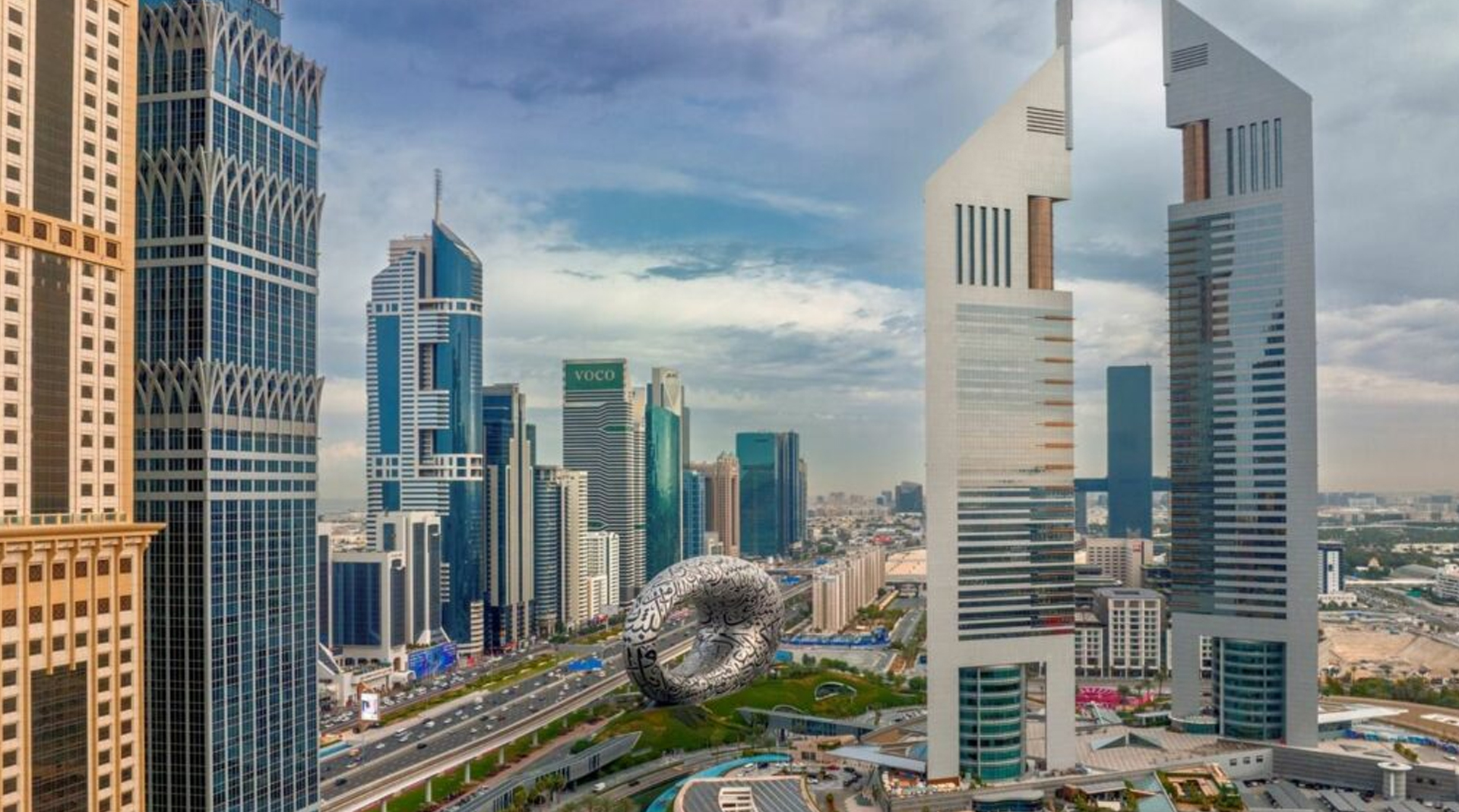
Dubai is undergoing a profound transformation in ultra-luxury residential living. Homes in the city are no longer defined solely by opulence; they are evolving into holistic sanctuaries that prioritise wellness, privacy, cultural identity, and timeless elegance. According to Knight Frank’s Destination Dubai 2025 report, Dubai now dominates the global market for properties valued above $10 million, surpassing even London and New York. This shift reflects changing priorities among high-net-worth individuals, who increasingly seek purposeful design that blends beauty with meaningful, intentional living.
Wellness architecture, once considered an optional luxury, has become a core foundation of ultra-prime homes. Residences now feature expansive courtyards enriched with water and greenery, spa-grade wellness suites, dedicated yoga and meditation pavilions, and circadian lighting designed to support natural rhythms. These spaces are crafted to nurture physical, mental, and emotional wellbeing, signalling a new definition of luxury that places human experience at its centre.
Market growth reinforces this direction. Wellness-focused real estate in the UAE is projected to expand from AED 503 million to AED 31 billion by 2027, reflecting a growing desire for homes that promote longevity, vitality, and balance. These environments function as restorative ecosystems where natural elements and innovative technologies work together seamlessly.
Privacy has also become a defining priority within Dubai’s most exclusive neighbourhoods, including Palm Jumeirah, Emirates Hills, and Dubai Hills Estate. Architects are designing layered experiences that begin with grand arrival sequences and flow into intimate family zones, with clear separation between formal entertaining areas and private retreats. Discreet service corridors ensure smooth operations, while advanced technologies such as biometric access, AI-driven surveillance, and instant-opacity smart glass enhance security without interrupting the aesthetic. These homes honour regional customs and multigenerational living by balancing spaces for community with areas that offer complete personal sanctuary.
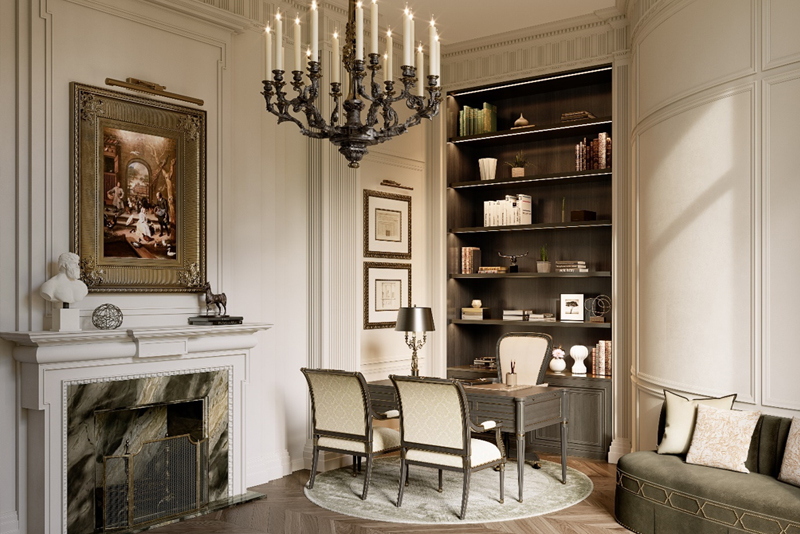
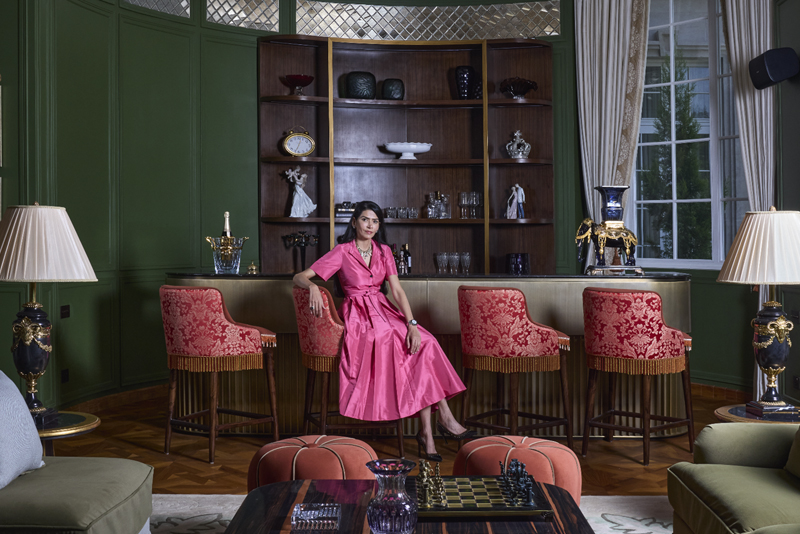
Identity now plays an equally central role in the luxury landscape. Modern high-end residences express individuality through distinctive features such as double-tiered dressing rooms, private art galleries, historic libraries, and refined cigar lounges. Material choices, proportions, and craftsmanship reflect an elegant fusion of classical sensibilities and contemporary innovation. The result is architecture that feels timeless, resonating with family legacy and personal taste rather than fleeting trends.
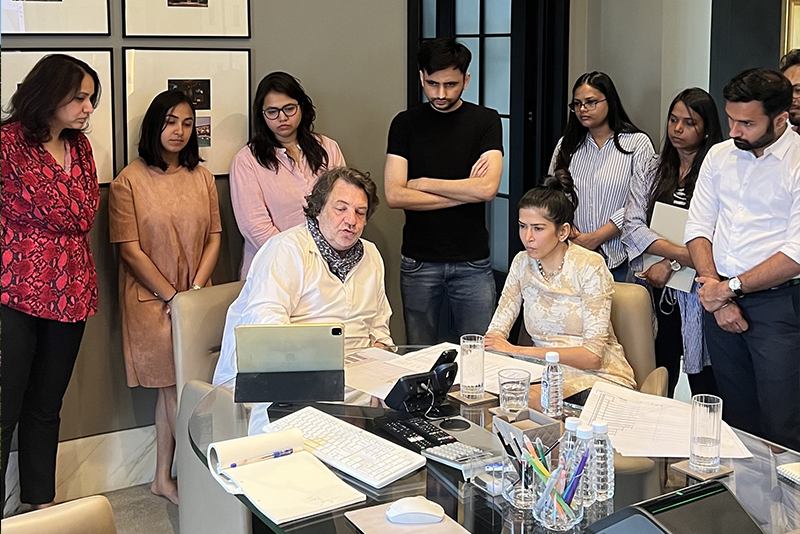
In this evolved context, luxury is defined by clarity of purpose rather than excess. It demands close collaboration between client and architect to create spatial experiences that align with lifestyle aspirations, cultural values, and long-term functionality. Homes become curated environments designed to support wellbeing, emotional comfort, and meaningful social connection.
Dubai’s luxury property market, supported by investor confidence, world-class infrastructure, favourable tax structures, and cosmopolitan energy, is shaping a new global benchmark. Buyers increasingly seek private wellness retreats, seamless and secure environments, and identity-rich residences that reflect who they are and how they wish to live.
The future of luxury living in Dubai will be defined by homes that inspire, nurture, and endure. Through the thoughtful integration of classical discipline and modern innovation, these residences will continue to meet the expectations of a discerning global clientele. Architects and designers who embrace this philosophy will play a vital role in shaping Dubai’s next chapter, where homes stand as enduring expressions of wellness, privacy, and identity for generations to come.